


How Compensation Outcomes Are Determined in Legal Systems
Compensation outcomes in legal systems are the result of structured legal principles, procedural rules, and factual evaluations designed to restore losses suffered by an injured party. While the idea of “compensation” may seem straightforward, its actual determination involves multiple layers of analysis, ranging from liability assessments to economic valuation. Across jurisdictions, courts aim to balance fairness, deterrence, and proportionality when awarding compensation, making the process both legal and analytical in nature.
Understanding how compensation outcomes are determined is essential not only for legal professionals but also for individuals and businesses seeking clarity about their rights and obligations. Whether the dispute arises from a personal injury, contractual breach, or statutory violation, compensation serves as a core mechanism through which justice systems attempt to correct harm.
Understanding Compensation in Law
Definition and Purpose of Legal Compensation
In legal terms, compensation refers to a monetary or material remedy awarded to an injured party to offset losses caused by another party’s wrongful conduct. The primary objective is restorative rather than punitive—placing the claimant, as far as possible, in the position they would have been in had the harm not occurred. This principle underpins much of tort law and contract law across modern legal systems.
Compensation outcomes are closely tied to the concept of remedies, which include damages, restitution, and specific performance. Among these, damages are the most common form of compensation, particularly in civil courts, where disputes between private parties are adjudicated. The law recognizes that not all harm can be undone, but it attempts to quantify loss in financial terms to achieve practical justice.
Compensation vs Punishment
A critical distinction in legal systems is between compensation and punishment. Compensation focuses on the victim, while punishment targets the wrongdoer. This difference explains why criminal courts primarily impose fines or imprisonment, whereas civil proceedings focus on financial recovery. However, the line can blur in cases involving punitive damages, which serve both compensatory and deterrent functions.
This separation ensures that compensation outcomes remain proportionate to the harm suffered, rather than the moral blameworthiness alone. Legal systems generally resist overcompensation, as excessive awards can undermine predictability and fairness.
Legal Foundations That Shape Compensation Outcomes
Tort Law and Civil Liability
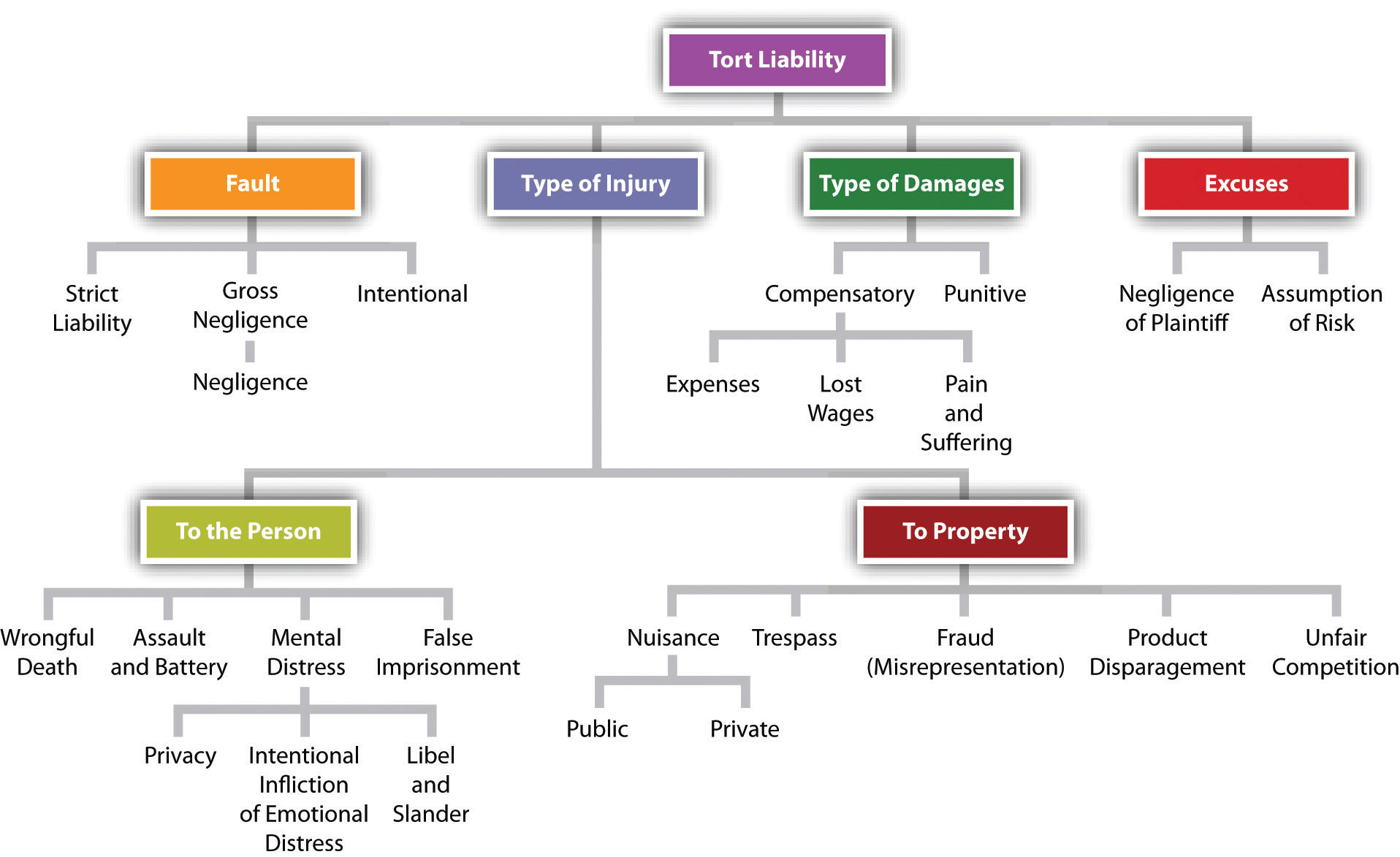
The most influential legal framework governing compensation outcomes is tort law, which addresses civil wrongs such as negligence, defamation, and trespass. Under tort law, compensation is contingent upon establishing civil liability, meaning the defendant is legally responsible for the claimant’s harm.
To succeed, claimants typically must prove duty of care, breach, causation, and damages. Each element directly influences the final compensation outcome. For example, weak evidence of causation may reduce or eliminate recovery, regardless of the severity of the injury.
Negligence, Intent, and Strict Liability
Different liability standards significantly affect compensation outcomes. In negligence cases, courts assess whether the defendant failed to meet a reasonable standard of care. Intentional torts, by contrast, often justify higher compensation due to deliberate wrongdoing. Strict liability removes the need to prove fault altogether, focusing solely on harm and causation, which can simplify compensation calculations.
These distinctions matter because they influence not only whether compensation is awarded, but also how much is deemed appropriate. Intentional acts may open the door to broader categories of damages, including non-economic and punitive awards.
Contract Law and Breach Remedies
In contract law, compensation outcomes arise from breaches of agreed obligations. The guiding principle is expectation interest—compensating the non-breaching party for what they reasonably expected to receive. Courts often limit damages to foreseeable losses, reinforcing predictability in commercial relationships.
Unlike tort claims, emotional or non-economic damages are rarely awarded in contract disputes, demonstrating how legal context shapes compensation structures.
Types of Compensation Awarded by Courts
Economic Damages
Economic damages represent quantifiable financial losses, such as medical expenses, lost income, and property damage. Courts rely heavily on documentation—receipts, invoices, and employment records—to calculate these amounts. Because they are measurable, economic damages are generally the least controversial component of compensation outcomes.
Judges and juries aim for precision, often using expert testimony to project future losses. This analytical approach reflects the legal system’s emphasis on objectivity and fairness.
Non-Economic Damages
Non-economic damages compensate for intangible harm, including pain and suffering, emotional distress, and loss of enjoyment of life. These damages introduce subjectivity into compensation outcomes, as they lack a clear market value. Courts may consider severity, duration, and personal impact when determining appropriate amounts.
Because of this variability, some jurisdictions impose statutory caps to maintain consistency and prevent excessive awards.
Punitive Damages
Punitive damages are awarded in exceptional cases involving egregious misconduct. Their purpose is to punish and deter rather than compensate. While controversial, they play a strategic role in shaping behavior, particularly in cases involving corporate wrongdoing.
Courts typically assess proportionality, ensuring punitive awards bear a reasonable relationship to actual harm.
The Role of Courts and Legal Actors
Judges and Judicial Discretion
Judges wield significant influence over compensation outcomes, particularly in bench trials. Judicial discretion allows adaptation to unique circumstances, but it is constrained by precedent, statutes, and appellate review. This balance promotes consistency while preserving flexibility.
Juries and Damage Assessment
In jury trials, juries evaluate evidence and assign monetary values to harm. While this democratizes decision-making, it can also introduce variability. Courts often provide guidelines to help juries translate abstract harm into concrete figures.
Expert Witnesses
Expert witnesses bridge the gap between legal standards and real-world valuation. Economists, medical professionals, and industry specialists help courts assess loss accurately, directly shaping compensation outcomes.
Evidence, Proof, and Valuation in Compensation Decisions
The determination of compensation outcomes in legal systems is inseparable from the quality and credibility of evidence presented. Courts do not award damages based on sympathy or speculation; instead, compensation is grounded in structured evidentiary rules that shape how harm is proven and quantified. The strength of evidence often determines not only whether compensation is awarded, but also the scale and categories of damages recognized.
Burden of Proof and Standards of Evidence
In most civil cases, the claimant bears the burden of proof, meaning they must demonstrate that their version of events is more likely than not to be true. This standard—commonly described as the balance of probabilities—is lower than the criminal standard of proof, yet still requires persuasive evidence linking the defendant’s conduct to the claimant’s loss.
Compensation outcomes are directly influenced by how convincingly causation is established. Even where wrongdoing is evident, weak proof that the harm resulted from that conduct can substantially reduce or eliminate compensation. Courts often separate factual causation (“did this act cause the harm?”) from legal causation (“is the harm too remote?”), applying both filters before awarding damages.
Documentation, Testimony, and Corroboration
Documentary evidence forms the backbone of most compensation claims. Medical records, financial statements, employment histories, and repair estimates provide objective foundations for damage calculations. Courts tend to favor contemporaneous records over retrospective accounts, as they are less susceptible to exaggeration or error.
Witness testimony, including that of the claimant, adds context but is rarely sufficient on its own. Judges and juries assess credibility by examining consistency, demeanor, and corroboration. Where testimony aligns with documents and independent evidence, compensation outcomes are more predictable and robust.

Valuation Methodologies Used by Courts
Once liability and causation are established, courts turn to valuation—arguably the most complex phase of determining compensation outcomes. Valuation requires translating human experience, future uncertainty, and financial projections into a single monetary figure. Legal systems rely on structured methodologies to reduce arbitrariness in this process.
Past Losses vs Future Losses
Courts typically distinguish between past losses and future losses. Past losses are easier to value because they are supported by existing records, such as medical bills or lost wages already incurred. These amounts are usually awarded in full, provided they are reasonable and necessary.
Future losses, however, involve prediction. Courts must estimate ongoing medical care, diminished earning capacity, or long-term assistance needs. This requires assumptions about life expectancy, inflation, career progression, and recovery prospects. Because these estimates can vary widely, expert analysis plays a decisive role in shaping compensation outcomes.
Discounting, Multipliers, and Life Expectancy
To ensure fairness, courts often apply discounting techniques to future damages, accounting for the fact that lump-sum awards are paid upfront. Multipliers based on life expectancy and working years help standardize awards, particularly in personal injury cases. These tools aim to strike a balance between undercompensation and unjust enrichment.
The use of structured formulas does not eliminate discretion entirely, but it provides a rational framework that enhances consistency across cases. Jurisdictions with established valuation tables tend to exhibit more predictable compensation outcomes.
Comparative Approaches Across Legal Systems
Compensation outcomes are not uniform worldwide. Legal traditions, policy priorities, and cultural attitudes toward litigation all influence how damages are assessed and awarded. Understanding these differences is crucial for cross-border disputes and comparative legal analysis.
Common Law Approaches to Compensation
In common law systems, compensation is heavily shaped by judicial precedent. Past cases guide future awards, creating a body of reference points for judges and litigants. This case-driven approach allows flexibility and evolution but can also lead to variability, particularly in non-economic damages.
Juries play a more prominent role in some common law jurisdictions, especially in personal injury and product liability cases. Their involvement can amplify compensation outcomes, prompting appellate courts and legislatures to introduce corrective mechanisms such as caps or guidelines.
Civil Law Approaches to Compensation
Civil law systems tend to rely more on codified statutes and schedules for damage assessment. Compensation outcomes are often guided by predefined categories and ranges, reducing judicial discretion. While this approach promotes uniformity, critics argue it may inadequately reflect individual circumstances.
The emphasis on predictability aligns with civil law traditions that prioritize legal certainty. Claimants benefit from clearer expectations, while defendants face reduced exposure to unpredictable awards.

Statutory Limits and Policy Constraints
Legislatures frequently intervene in compensation systems to address concerns about fairness, affordability, and economic impact. These interventions can significantly shape compensation outcomes, sometimes overriding judicial assessments of harm.
Statutory Caps on Damages
One of the most direct legislative tools is the imposition of statutory caps on certain types of damages, particularly non-economic and punitive damages. Caps aim to control litigation costs, stabilize insurance markets, and prevent disproportionately large awards.
While caps enhance predictability, they also generate debate about access to justice. Critics argue that uniform limits fail to account for severe or life-altering injuries, effectively shifting costs from wrongdoers to victims.
No-Fault and Alternative Compensation Schemes
Some legal systems adopt no-fault compensation schemes for specific categories of harm, such as workplace injuries or motor accidents. Under these systems, claimants receive standardized benefits without proving fault, streamlining compensation outcomes and reducing adversarial conflict.
Although no-fault schemes improve efficiency, they typically limit available compensation and restrict the right to sue. This trade-off reflects broader policy choices about social welfare, risk distribution, and judicial economy.
The Influence of Insurance and Settlement Dynamics
In practice, many compensation outcomes are shaped outside the courtroom. Insurance coverage, settlement negotiations, and risk assessment heavily influence final awards, often more than formal legal principles.
Insurance Coverage and Policy Limits
Insurance policies set practical ceilings on compensation outcomes. Even where courts award substantial damages, recovery may be constrained by policy limits or exclusions. Insurers actively participate in valuation discussions, leveraging actuarial data to inform settlement offers.
This reality underscores the gap between theoretical compensation entitlements and actual recoveries. Claimants and defendants alike must navigate insurance structures alongside legal rules.
Settlements vs Court Awards
The majority of civil claims resolve through settlement rather than trial. Settlements reflect negotiated compromises that account for evidentiary risk, legal costs, and time considerations. As a result, real-world compensation outcomes often differ from those predicted by strict legal analysis.
Courts generally encourage settlement, viewing it as an efficient means of dispute resolution. However, settlement dynamics can also perpetuate power imbalances, particularly where one party has superior resources or information.
Judicial Discretion and Its Impact on Compensation Outcomes
Judicial discretion plays a central role in shaping compensation outcomes, particularly in legal systems that allow judges flexibility when applying legal principles to unique factual circumstances. While statutes and precedents provide structure, discretion enables courts to tailor compensation to the realities of each case, ensuring that rigid rules do not produce unjust results.
Scope and Limits of Judicial Discretion
Judicial discretion refers to a judge’s authority to make decisions within the boundaries of the law. In compensation cases, this discretion commonly affects the assessment of non-economic damages, future losses, and equitable remedies. Judges may weigh factors such as severity of harm, duration of suffering, and the claimant’s personal circumstances.
However, discretion is not unfettered. Courts are bound by statutory frameworks, appellate guidance, and principles of proportionality. Excessive or inconsistent awards may be overturned on appeal, reinforcing discipline in compensation outcomes. This balance between flexibility and constraint is essential to maintaining public confidence in the legal system.
Sentencing Analogies and Proportionality
Although compensation is distinct from punishment, courts often apply proportionality reasoning similar to that used in sentencing. The objective is to ensure that compensation aligns with the nature and extent of harm without becoming excessive or symbolic. Proportionality acts as a safeguard against arbitrary awards, promoting coherence across cases.
Judges may reference comparable cases to calibrate awards, particularly where guidelines are absent. This comparative approach contributes to gradual standardization while preserving room for individualized justice.
Appellate Review and Correction of Compensation Awards
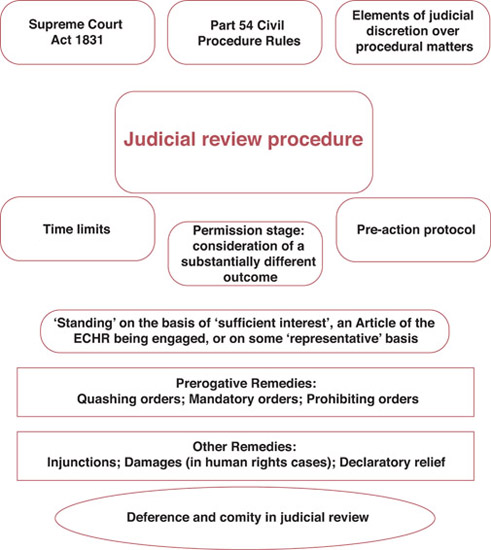
Appellate courts play a crucial corrective role in compensation systems. While trial courts determine initial awards, appellate review ensures consistency, legality, and fairness across the judicial landscape. Compensation outcomes are therefore shaped not only at first instance, but also through ongoing judicial oversight.
Grounds for Appealing Compensation Decisions
Compensation awards may be appealed on several grounds, including legal error, misapplication of principles, or manifest excess or inadequacy. Appellate courts typically defer to trial judges on factual findings, but they intervene where valuation errors or improper considerations distort the outcome.
This oversight discourages outlier awards and reinforces best practices in damage assessment. Over time, appellate decisions contribute to a body of guidance that influences lower courts and legal practitioners alike.
Precedent and Harmonization of Awards
Appellate rulings often establish benchmarks for acceptable compensation ranges. These precedents promote harmonization, reducing disparities between similar cases. While complete uniformity is neither possible nor desirable, appellate guidance narrows extremes and enhances predictability.
The cumulative effect is a feedback loop: trial courts shape compensation outcomes, appellate courts refine them, and future trial courts adjust accordingly. This iterative process is a defining feature of mature legal systems.
Socio-Economic Factors Influencing Compensation Outcomes
Compensation outcomes do not exist in a vacuum. Broader socio-economic realities influence how legal systems value harm, distribute risk, and prioritize policy goals. Courts and legislatures alike respond to economic pressures, public sentiment, and institutional capacity when shaping compensation frameworks.
Economic Conditions and Award Sensitivity
Economic conditions can indirectly affect compensation outcomes. During periods of economic instability, courts may exhibit caution in awarding exceptionally high damages, particularly where such awards could threaten business viability or insurance sustainability. Conversely, inflationary environments necessitate adjustments to ensure compensation retains real value.
Courts may also consider regional economic contexts when assessing lost earnings or future earning capacity. A claimant’s occupation, industry stability, and local labor market conditions can all influence valuation.
Access to Justice and Resource Imbalances
Resource disparities between parties can shape compensation outcomes long before a case reaches judgment. Well-resourced litigants are better positioned to gather evidence, retain expert witnesses, and sustain prolonged litigation. These advantages can translate into higher settlements or awards.
Legal systems attempt to mitigate such imbalances through procedural safeguards, cost rules, and legal aid mechanisms. Nonetheless, access to justice remains a persistent factor influencing real-world compensation outcomes.
Cultural Attitudes Toward Harm and Compensation
Cultural perceptions of harm, responsibility, and litigation significantly influence how compensation is determined and perceived. Societies differ in their tolerance for litigation, expectations of personal responsibility, and views on monetary redress for non-material loss.
Litigation Culture and Compensation Levels
In jurisdictions with active litigation cultures, compensation outcomes may reflect broader social acceptance of legal claims as a means of resolving disputes. Higher awareness of legal rights and remedies can lead to more expansive interpretations of compensable harm.
In contrast, cultures that emphasize social harmony or personal resilience may favor modest compensation and alternative dispute resolution. These cultural orientations shape both legislative choices and judicial attitudes toward damages.
Moral Judgments and Valuation of Harm
Although courts strive for objectivity, moral judgments inevitably influence compensation outcomes, particularly in cases involving vulnerable claimants or egregious conduct. Harm to children, elderly individuals, or those with permanent disabilities often attracts heightened judicial sensitivity.
This moral dimension does not undermine legality; rather, it reflects the human context in which legal systems operate. Compensation outcomes thus embody both legal reasoning and societal values.
Emerging Trends Reshaping Compensation Outcomes
Legal systems continually adapt to new forms of harm and evolving social priorities. Technological change, globalization, and shifting conceptions of injury are reshaping how compensation is assessed and awarded.
Technological Harm and Data-Driven Valuation
The rise of digital harm—such as data breaches, privacy violations, and online defamation—poses challenges for traditional compensation models. Courts increasingly grapple with how to value intangible, widespread, or probabilistic harm.
At the same time, data analytics and actuarial modeling are enhancing valuation accuracy. Courts and litigants increasingly rely on large datasets to project losses, identify trends, and justify compensation figures.
Alternative Dispute Resolution and Structured Settlements
Alternative dispute resolution mechanisms, including mediation and arbitration, are influencing compensation outcomes by prioritizing efficiency and consensus. Structured settlements, which distribute compensation over time, are gaining popularity in cases involving long-term care needs.
These innovations reflect a broader shift toward flexibility and sustainability in compensation systems, balancing individual justice with systemic efficiency.
Integrating Legal Principles into Coherent Compensation Outcomes
At their core, compensation outcomes in legal systems represent an attempt to reconcile abstract legal rules with real human loss. Courts must integrate doctrines of liability, evidentiary standards, valuation methodologies, and policy constraints into a single, reasoned outcome. This synthesis is what transforms legal theory into practical justice.
Legal systems emphasize coherence by ensuring that compensation outcomes align with foundational principles such as fairness, proportionality, and predictability. A well-reasoned compensation award reflects not only the harm suffered, but also the broader legal framework governing responsibility and redress. This integration ensures that compensation serves its restorative purpose without distorting incentives or undermining legal certainty.
Balancing Individual Justice and Systemic Stability
One of the enduring challenges in determining compensation outcomes is balancing individualized justice with systemic stability. Courts are tasked with responding to the unique facts of each case while remaining mindful of the broader consequences of their decisions.
Avoiding Overcompensation and Undercompensation
Overcompensation risks creating windfalls that exceed actual loss, potentially encouraging opportunistic litigation and inflating insurance costs. Undercompensation, by contrast, leaves injured parties bearing losses caused by others, undermining trust in the legal system. Compensation outcomes must therefore strike a careful balance—adequate to restore, but restrained enough to remain principled.
Legal doctrines such as mitigation of loss, contributory negligence, and proportional liability exist precisely to fine-tune this balance. By adjusting compensation based on the claimant’s own conduct or shared responsibility, courts aim to produce outcomes that are equitable rather than absolute.
Economic Sustainability and Risk Distribution
Compensation systems also function as mechanisms of risk distribution. Through insurance, liability rules, and statutory schemes, legal systems allocate the economic costs of harm across individuals, industries, and society at large. Excessive compensation awards can strain these systems, while insufficient awards may externalize costs onto victims and public welfare structures.
Policymakers and courts therefore consider sustainability alongside justice. This does not diminish the claimant’s experience, but it contextualizes compensation outcomes within a broader economic ecosystem.
The Preventive and Behavioral Effects of Compensation
Although compensation is primarily restorative, it also carries preventive and behavioral implications. The prospect of having to pay damages influences how individuals, professionals, and corporations behave, making compensation outcomes an indirect regulatory tool.
Deterrence Through Financial Accountability
When compensation outcomes accurately reflect the cost of harm, they incentivize safer behavior and compliance with legal standards. Businesses invest in safety measures, professionals adhere to best practices, and individuals exercise greater care when the financial consequences of harm are clear and enforceable.
Punitive and aggravated damages amplify this effect in cases of particularly egregious conduct. While controversial, their selective use underscores society’s intolerance for reckless or malicious behavior.
Signaling Social Values
Compensation outcomes also signal what a legal system values. High awards for personal dignity, bodily integrity, or consumer protection communicate societal priorities, while restrained awards in purely economic disputes reflect different normative judgments. Over time, these signals shape public expectations and legal culture.
Globalization and Cross-Border Compensation Challenges
As economic and social activity increasingly crosses national borders, compensation outcomes face new complexities. Multinational corporations, cross-border transactions, and transnational harm challenge traditional jurisdictional boundaries.
Forum Selection and Compensation Disparities
Differences in compensation regimes can encourage forum shopping, where claimants seek jurisdictions with more favorable damage awards. This phenomenon highlights disparities between legal systems and raises questions about fairness and consistency in a globalized world.
Courts and legislatures respond through harmonization efforts, choice-of-law rules, and international conventions. These mechanisms aim to reduce strategic manipulation while respecting legal diversity.
Enforcement and Practical Recovery
Even where compensation is awarded, cross-border enforcement can be difficult. Recognition of foreign judgments, asset tracing, and compliance with local laws all affect whether compensation outcomes translate into actual recovery. As a result, legal success on paper does not always equate to meaningful redress in practice.
The Future of Compensation Outcomes in Legal Systems
Looking forward, compensation outcomes are likely to evolve in response to technological, social, and economic change. Legal systems will continue refining how harm is identified, valued, and remedied.
Data, Algorithms, and Predictive Models
Advances in data analytics may lead to more standardized and transparent compensation calculations. Predictive models could assist courts in estimating future losses, reducing variability while enhancing accuracy. However, reliance on algorithms also raises concerns about bias, transparency, and over-mechanization of justice.
The challenge will be integrating technological tools without sacrificing the human judgment essential to fair compensation outcomes.
Expanding Recognition of Intangible Harm
Modern legal systems increasingly recognize forms of harm that were once marginalized, such as psychological injury, reputational damage, and digital privacy violations. As these harms gain legal recognition, compensation frameworks will adapt to address them more comprehensively.
This expansion reflects a broader understanding of human well-being, signaling a shift toward more holistic conceptions of loss and redress.
Conclusion: Compensation as a Living Legal Mechanism
Compensation outcomes in legal systems are not static formulas but living mechanisms shaped by law, evidence, policy, and societal values. From foundational liability principles to emerging technological challenges, the determination of compensation reflects an ongoing effort to align justice with reality.
By balancing restoration, deterrence, predictability, and sustainability, legal systems strive to ensure that compensation remains fair, meaningful, and legitimate. Understanding how these outcomes are determined reveals not only how courts value harm, but also how societies define responsibility, accountability, and justice itself.