

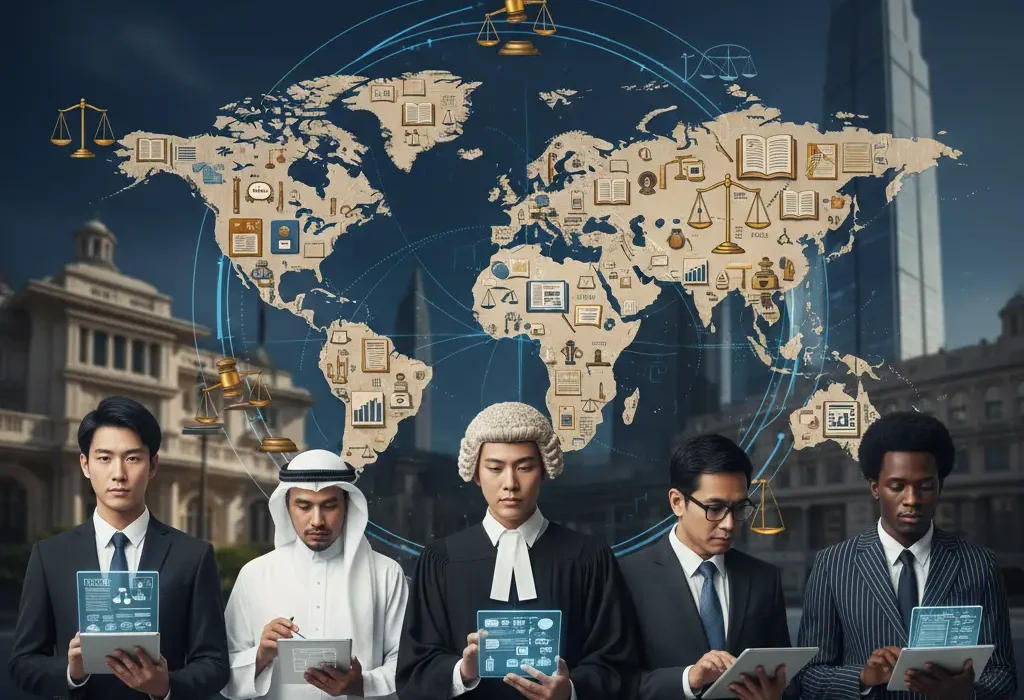
How Legal Processes Differ Across Countries
Legal systems shape how societies resolve disputes, punish wrongdoing, and protect individual rights. While the idea of justice may seem universal, legal processes differ across countries in profound and sometimes surprising ways. From courtroom procedures to the role of judges and lawyers, each nation’s legal framework reflects its history, culture, and political philosophy.
In a globalized world where people study, work, and do business across borders, understanding these differences is no longer limited to lawyers or scholars. Whether you are an international entrepreneur, a student of political science, or simply a curious global citizen, grasping how legal systems operate worldwide helps avoid misunderstandings and legal risks.
At the heart of these variations lie legal traditions, procedural law, and institutional design. Some systems emphasize judicial precedent and adversarial trials, while others rely on detailed legal codes and judge-led investigations. This article explores these distinctions in depth, beginning with the foundational concept of what a legal system actually is.
Understanding Legal Systems Around the World
What Is a Legal System?
A legal system is the structured framework of rules, institutions, and procedures that a society uses to regulate behavior and resolve disputes. It includes constitutions, statutes, court decisions, enforcement mechanisms, and the professionals who interpret and apply the law. While nearly every country claims adherence to the rule of law, the way laws are created and enforced varies widely.
Legal systems determine how cases move through courts, what rights defendants and plaintiffs have, and how evidence is evaluated. For example, in the United States, trials often involve juries and extensive oral arguments, whereas in France, judges play a more active role in investigating facts.
These systems are not static. They evolve through legislation, judicial interpretation, and social change. Yet, their core structures often reflect centuries-old traditions that continue to shape modern legal processes.
Why Legal Processes Differ Internationally
The primary reason legal processes differ across countries lies in historical development. Colonization, religious influence, revolutions, and political ideology all leave lasting marks on legal institutions. For instance, countries once governed by the British Empire often follow common law traditions, while much of continental Europe adheres to civil law principles.
Cultural values also matter. Societies that prioritize community harmony may favor mediation and conciliation over adversarial trials. Others place greater emphasis on individual rights and public courtroom debates. Economic development and political stability further influence how accessible and efficient legal procedures are in practice.
Understanding these underlying factors helps explain why legal processes are not easily transferable from one country to another, even when nations share similar democratic ideals.
Historical Foundations of Modern Legal Systems
Roman Law and Civil Law Traditions
Civil law systems trace their roots to Roman law, particularly the codification efforts of Emperor Justinian in the 6th century. These early legal codes aimed to create comprehensive, written rules governing nearly every aspect of social life. Over time, this approach spread across Europe and later to Latin America, parts of Africa, and Asia.
In modern civil law countries, legislation is the primary source of law. Judges apply statutes rather than create binding precedent, emphasizing procedural fairness through consistency and predictability. This structure remains central in countries like France and Japan, where legal education and courtroom practice revolve around mastering legal codes.
English Common Law Origins
Common law developed in medieval England as judges traveled the country resolving disputes in the king’s name. Instead of relying solely on written codes, they recorded decisions that gradually formed a body of precedent. This system values judicial interpretation and adaptability, allowing the law to evolve through case-by-case reasoning.
Today, common law influences legal processes in countries such as the United Kingdom and the United States. Courts rely heavily on previous rulings, and legal arguments often focus on interpreting how past decisions apply to new situations.
Major Types of Legal Systems
Common Law Systems
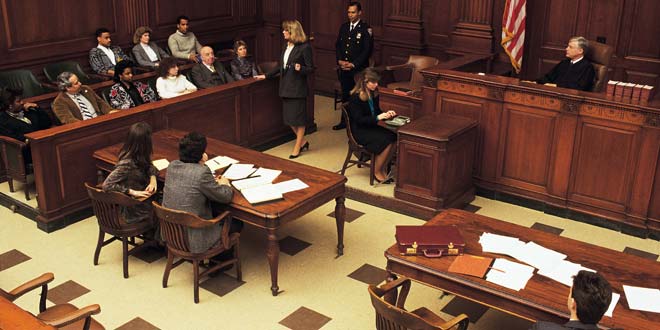
Common law systems are characterized by judicial independence, reliance on precedent, and adversarial procedures. Lawyers for each side present evidence and arguments, while judges act as neutral arbiters. In criminal cases, juries often determine facts, reinforcing public participation in justice.
This approach allows flexibility but can also lead to complexity. Legal outcomes may depend heavily on how courts interpret previous rulings, making legal expertise essential for navigating the system.
Role of Judges and Precedent
Judges in common law systems do more than apply statutes—they actively shape the law. Landmark decisions can redefine rights, procedures, and even social norms. This dynamic process explains why legal change in common law countries often occurs through courts rather than legislatures.
Civil Law Systems
Civil law systems prioritize comprehensive legal codes and a more inquisitorial process. Judges take an active role in examining evidence, questioning witnesses, and guiding cases toward resolution. Lawyers support the process but do not dominate it as they do in common law trials.

Codification and Statutes
Codified laws aim to reduce ambiguity by clearly defining legal rules in advance. This structure enhances predictability and efficiency but may limit judicial creativity. Appeals focus on whether statutes were correctly applied rather than re-arguing facts.
Why These Differences Matter
Understanding how legal processes differ across countries is essential in international business, diplomacy, and human rights advocacy. Misinterpreting procedural rules can lead to costly mistakes, from invalid contracts to wrongful detention. More broadly, comparing legal systems highlights how societies balance authority, liberty, and justice.
Court Structure and Judicial Hierarchy Across Countries
One of the most visible ways legal processes differ across countries is through court organization and hierarchy. Every legal system establishes multiple levels of courts, but their structure, authority, and specialization vary significantly depending on legal tradition and constitutional design.
In most countries, courts are arranged hierarchically, beginning with trial courts, followed by appellate courts, and culminating in a supreme or constitutional court. However, what these courts review—and how—differs sharply. In common law systems, appellate courts often reassess legal reasoning and precedent interpretation, while in civil law systems, higher courts focus on statutory compliance and procedural accuracy rather than factual reconsideration.
For example, in the United States, the federal judiciary operates alongside state court systems, creating a dual structure that reflects constitutional federalism. By contrast, countries like France employ a more centralized judicial hierarchy with separate branches for administrative and judicial disputes.

This structural variation affects access to justice, appeal rights, and how quickly cases are resolved.
Specialized Courts and Their Global Variations
Many legal systems create specialized courts to handle specific categories of cases such as family law, labor disputes, tax matters, or constitutional issues. The scope and influence of these courts differ widely.
Civil law countries often rely heavily on administrative courts to resolve disputes between individuals and the state. These courts operate under different procedural rules and legal principles than ordinary courts. In contrast, common law countries may address similar disputes within general courts, applying public law doctrines developed through precedent.
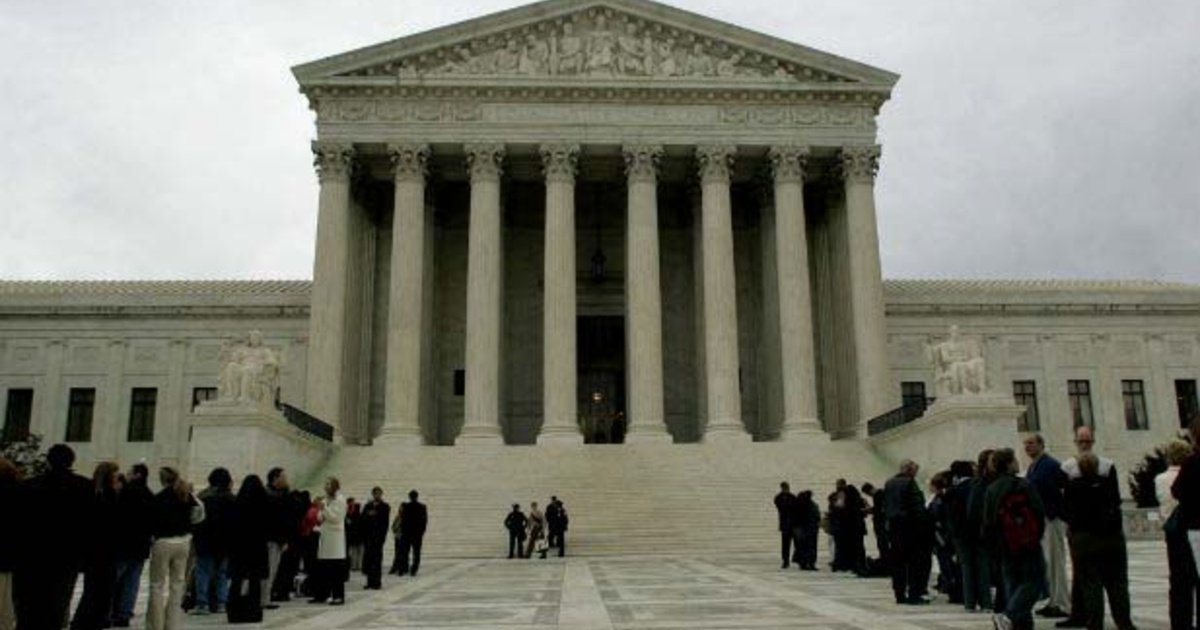
Some countries maintain separate constitutional courts with exclusive authority to review legislation. Germany’s constitutional court model has influenced many nations, whereas in the United States, constitutional review is exercised by all courts, with final authority resting in the Supreme Court.
This diversity illustrates how legal institutions evolve in response to political structure and historical experience.
Adversarial vs Inquisitorial Legal Procedures
Perhaps the most fundamental procedural distinction lies between adversarial and inquisitorial systems. These approaches define how cases are investigated, argued, and decided.
Adversarial Procedures
Adversarial systems dominate common law jurisdictions. Here, opposing parties control the presentation of evidence and legal arguments. Judges serve as neutral referees, ensuring that rules are followed while juries—where used—determine facts.
This model emphasizes party autonomy and public courtroom debate. Cross-examination is central, and outcomes often hinge on the skill of legal counsel. While this promotes transparency, it can also create inequality when resources between parties are uneven.
Countries such as the United Kingdom exemplify this approach, especially in criminal proceedings where prosecution and defense compete openly before an impartial judge.
Inquisitorial Procedures
Inquisitorial systems, common in civil law countries, place judges at the center of the fact-finding process. Judges actively investigate cases, question witnesses, and commission expert reports. Lawyers assist but do not dominate proceedings.
This approach prioritizes efficiency and factual accuracy over courtroom theatrics. Because judges guide the process, cases may rely less on oral argument and more on written submissions. Critics argue this reduces transparency, but proponents claim it enhances due process by minimizing strategic manipulation.

Stages of Legal Proceedings: A Comparative View
Despite differences in procedure, most legal systems follow similar stages: investigation, pre-trial review, trial, judgment, and appeal. The emphasis placed on each stage varies considerably.
In criminal cases within inquisitorial systems, the investigation phase is often decisive. Judges or prosecutors oversee evidence collection long before trial, meaning courtroom proceedings may simply confirm findings already established. In adversarial systems, by contrast, trials are the focal point, with evidence revealed and contested in open court.
Civil disputes also reflect this divergence. Written pleadings dominate civil law litigation, while oral hearings and live testimony are more prominent in common law courts. These distinctions influence case duration, cost, and public perception of fairness.
Role of Judges Across Legal Systems
Judges occupy different institutional roles depending on legal tradition. In civil law systems, judges are typically career professionals who enter the judiciary early and progress through ranks. Their authority derives from legal expertise and bureaucratic training rather than courtroom persuasion.
In common law countries, judges are often appointed after long legal careers as advocates. Their interpretive authority stems from precedent and reasoned judgments, which become part of binding case law.
Judicial independence is a shared ideal, but its practical implementation differs. Some countries insulate judges through lifetime appointments, while others use fixed terms or performance evaluations. These choices directly affect public trust and the perception of impartial justice.
Lawyers, Prosecutors, and Legal Representation
The role of lawyers varies as much as that of judges. In adversarial systems, lawyers are central actors responsible for shaping cases, selecting evidence, and crafting persuasive narratives. The effectiveness of representation can dramatically influence outcomes.
In inquisitorial systems, lawyers play a more supportive role, ensuring clients’ rights are respected and legal arguments are properly framed. Prosecutors often collaborate with judges during investigations rather than acting solely as adversaries.
Access to legal counsel also differs across countries. Some legal systems provide extensive public defense services, while others rely heavily on private representation. These disparities raise important questions about equality before the law and procedural justice.
Use of Juries and Public Participation
Juries are a hallmark of common law criminal trials, symbolizing democratic participation in justice. However, their use is far from universal. Many countries either limit jury trials to serious offenses or exclude them entirely.
Civil law systems often rely exclusively on professional judges, sometimes supplemented by lay assessors with subject-matter expertise. This model values technical accuracy over popular judgment, reflecting different conceptions of legitimacy.
Public participation also extends beyond juries. Open trials, published judgments, and media access contribute to transparency, though these practices vary widely across jurisdictions.
Appeals, Review, and Final Judgments
Appeal mechanisms reveal deeper philosophical differences in legal processes. Common law appeals often reassess legal interpretation and procedural fairness, while civil law appeals may involve a more comprehensive review of both facts and law.
Some systems allow multiple layers of appeal, promoting thoroughness at the cost of efficiency. Others restrict appeals to preserve finality and judicial economy. These choices reflect national priorities regarding certainty, fairness, and resource allocation.
Understanding these procedural nuances is crucial for anyone navigating foreign legal systems, whether as litigants, policymakers, or scholars.
Why Procedural Differences Shape Justice Outcomes
Procedural design influences not only how cases are resolved but also how justice is perceived. Systems emphasizing oral argument and public trials may foster transparency, while those prioritizing judicial investigation may enhance consistency and predictability.
Neither approach is inherently superior. Instead, each reflects cultural values, institutional trust, and historical development. Recognizing this helps move beyond simplistic comparisons and toward a more nuanced appreciation of global legal diversity.
Distinguishing Criminal and Civil Legal Processes Worldwide
One of the most important ways legal processes differ across countries is in how they separate and manage criminal law and civil law. While this distinction exists almost everywhere, the procedural rules, evidentiary standards, and institutional priorities vary significantly across legal systems.
Criminal proceedings involve offenses against the state or society as a whole, such as theft, assault, or fraud. Civil proceedings, by contrast, address disputes between private parties, including contracts, property rights, and family matters. Despite this common framework, the way these cases are investigated, tried, and enforced differs depending on whether a country follows common law, civil law, or hybrid systems.
Understanding these distinctions is critical for appreciating how justice is administered internationally—and how individuals’ rights are protected or constrained.
Criminal Procedure: Investigation and Prosecution
Criminal processes differ most sharply at the investigation stage. In inquisitorial systems, criminal investigations are often judge-led or prosecutor-supervised. Evidence gathering begins early and is closely monitored to ensure compliance with statutory procedures.
In civil law countries, investigative judges may play a central role in serious cases, directing police inquiries and authorizing coercive measures. This approach aims to preserve procedural fairness by preventing abuse of state power through judicial oversight.
In adversarial systems, investigations are primarily conducted by law enforcement and prosecutors, with judges intervening only to authorize warrants or rule on admissibility. Defense attorneys typically gain access to evidence later, challenging it during trial rather than shaping its collection.

Standards of Proof and Evidentiary Rules
The burden of proof is a universal concept, but its application varies across jurisdictions. Most criminal systems require proof “beyond a reasonable doubt,” though how that standard is interpreted can differ culturally and legally.
Common law systems impose strict evidentiary rules, excluding improperly obtained evidence to protect defendants’ rights. These rules reflect a strong emphasis on due process and constitutional safeguards.
Civil law systems, however, often adopt a more flexible approach. Judges may consider a broader range of evidence, assigning weight based on reliability rather than admissibility. This flexibility can enhance fact-finding but may also raise concerns about consistency.
Rights of the Accused in Comparative Perspective
The rights of criminal defendants illustrate how deeply legal traditions influence procedural design. Most countries formally recognize rights such as legal representation, protection against self-incrimination, and the presumption of innocence. Yet their practical implementation varies.
In common law jurisdictions, defendants enjoy strong protections during trial, including the right to confront witnesses and challenge evidence through cross-examination. Public trials and jury participation reinforce transparency and accountability.
In civil law systems, defendants’ rights are often protected earlier in the process through judicial oversight of investigations. While trials may be less dramatic, safeguards are embedded in written procedures and pre-trial reviews.
These contrasting approaches reflect different philosophies about where justice is best ensured—during investigation or in open court.
Civil Litigation: Procedures and Remedies
Civil legal processes are equally diverse. In common law systems, civil litigation is adversarial, with parties responsible for presenting evidence and arguments. Discovery procedures allow extensive evidence exchange before trial, increasing transparency but also cost.
Civil law countries typically limit discovery, relying instead on judicial direction to gather necessary information. Written submissions dominate, and hearings may be brief and focused. This model prioritizes efficiency and reduces litigation expenses, though critics argue it limits party autonomy.
Remedies also differ. Monetary damages are common worldwide, but punitive damages—designed to punish wrongdoing—are largely confined to common law jurisdictions. Civil law systems emphasize compensation rather than punishment.

Alternative Dispute Resolution (ADR) Across Countries
Many legal systems encourage alternatives to formal litigation, recognizing that court processes can be slow and costly. Mediation, arbitration, and conciliation play varying roles depending on cultural and legal context.
In some Asian legal traditions, social harmony is prioritized, making mediation a preferred method of dispute resolution. Courts may actively promote settlement before allowing cases to proceed to trial.
In Western legal systems, arbitration is widely used in commercial disputes, particularly in international contexts. While ADR mechanisms exist globally, their legal status and enforceability depend on national legislation and judicial support.
These practices illustrate how legal systems adapt to social needs beyond formal courtroom processes.
Enforcement of Judgments and Legal Decisions
A legal judgment has little value without effective enforcement. Enforcement mechanisms differ widely and reveal much about state capacity and institutional trust.
In many countries, specialized enforcement officers execute court orders, seize assets, or compel compliance. Some systems rely heavily on administrative agencies, while others involve private bailiffs or court-appointed officials.
Cross-border enforcement adds further complexity. International treaties and reciprocal recognition agreements determine whether foreign judgments are enforceable. Differences in procedural standards can complicate this process, especially between common law and civil law jurisdictions.
Access to Justice and Legal Aid Systems
Access to justice is a cornerstone of the rule of law, yet legal processes can create barriers through cost, complexity, and delay. Countries address this challenge differently through legal aid, simplified procedures, and specialized courts.
Some systems provide comprehensive public legal assistance, particularly in criminal cases. Others limit support to basic representation, leaving civil litigants largely responsible for their own costs.
Technological innovation is also reshaping access to justice. Online courts, digital filings, and virtual hearings are increasingly common, though adoption rates vary. These reforms aim to reduce inequality while preserving procedural integrity.
Cultural and Social Influences on Legal Rights
Legal processes do not operate in a vacuum. Social norms, trust in institutions, and historical experiences shape how laws are applied and respected. In some societies, informal resolution mechanisms coexist with formal courts, reflecting pluralistic legal cultures.
Understanding these influences helps explain why identical legal rules may produce different outcomes across countries. Procedural design interacts with culture, politics, and economics to shape lived experiences of justice.
Why Criminal and Civil Differences Matter Globally
The way countries structure criminal and civil processes has profound implications for human rights, economic development, and international cooperation. Businesses rely on predictable civil enforcement, while individuals depend on fair criminal procedures for protection against state power.
Recognizing these differences is essential for policymakers, legal professionals, and global citizens alike. It fosters realistic expectations and promotes respect for legal diversity without abandoning universal principles of fairness.
Hybrid Legal Systems: Blending Legal Traditions
Not all countries fit neatly into common law or civil law categories. Many operate hybrid legal systems, combining elements from multiple legal traditions to suit local history, politics, and culture. These systems highlight how adaptable legal processes can be when societies borrow and modify external legal models.
Hybrid systems often emerge in post-colonial states where indigenous legal traditions coexist with imported European frameworks. For example, some countries integrate customary law for family or land disputes while applying statutory law for commercial or criminal matters. This pluralism allows legal systems to maintain cultural legitimacy while participating in global legal norms.
However, hybrid systems also face challenges. Conflicting procedures, overlapping jurisdictions, and uncertainty about applicable rules can complicate dispute resolution. Managing these tensions requires clear constitutional frameworks and judicial coordination.
Religious Law and Legal Processes
Religious legal systems represent another major source of procedural variation. In countries where religious law influences state law, legal processes may reflect theological principles as well as secular governance.
For instance, Islamic law governs aspects of family and inheritance in several countries, often alongside civil or common law institutions. Procedures in religious courts may emphasize reconciliation, moral responsibility, and community values rather than adversarial confrontation.
The coexistence of religious and secular courts raises important questions about judicial independence, equality before the law, and human rights protections. How these systems balance religious authority with constitutional guarantees significantly shapes legal outcomes.
International Law and Its Influence on Domestic Legal Processes
Globalization has intensified interaction between national legal systems and international law. Treaties, conventions, and international courts increasingly influence domestic procedures, even in areas traditionally considered internal affairs.
Organizations such as the United Nations promote international legal standards on human rights, trade, and criminal justice. Countries that ratify international treaties often adapt their domestic procedures to comply with global norms, reshaping investigation methods, trial rights, and enforcement practices.
International criminal tribunals and arbitration panels also demonstrate procedural hybridity, blending adversarial and inquisitorial elements to accommodate diverse legal backgrounds. These institutions illustrate how legal processes evolve through cross-border cooperation.
Globalization and Cross-Border Legal Disputes
As commerce, migration, and communication transcend national borders, cross-border legal disputes have become increasingly common. These cases expose stark procedural differences and require mechanisms to bridge them.
International contracts often specify governing law and dispute resolution forums to manage uncertainty. Arbitration has become a preferred method for resolving international commercial disputes due to its procedural flexibility and enforceability.
Yet even with such mechanisms, differences in evidence rules, enforcement standards, and judicial attitudes can complicate outcomes. Lawyers and judges must navigate unfamiliar procedures, underscoring the importance of comparative legal knowledge.
Technology and the Transformation of Legal Processes
Technological innovation is reshaping legal processes worldwide. Digital filings, online hearings, and AI-assisted legal research are becoming standard in many jurisdictions, altering how cases move through courts.
Some countries have introduced fully online courts for small claims, reducing costs and improving access to justice. Others remain cautious, concerned about data security, procedural fairness, and unequal access to technology.
Despite these concerns, digital transformation is likely to accelerate convergence in certain procedural aspects, even as substantive legal differences persist. Technology thus acts as both a unifying and differentiating force in global legal systems.
Human Rights and Procedural Convergence
International human rights law has encouraged convergence in some procedural safeguards, particularly in criminal justice. Rights to a fair trial, legal representation, and protection from arbitrary detention are increasingly recognized across legal systems.
Regional human rights courts and monitoring bodies influence domestic procedures by interpreting treaty obligations. While enforcement varies, these institutions promote minimum standards that shape national legal reforms.
However, convergence does not mean uniformity. Countries adapt human rights principles to local contexts, resulting in diverse procedural expressions of shared values.
Comparative Strengths and Weaknesses of Legal Systems
Each legal system offers distinct advantages and limitations. Common law systems excel in flexibility and judicial innovation but may suffer from complexity and cost. Civil law systems prioritize predictability and efficiency but may limit judicial discretion.
Hybrid and religious systems enhance cultural legitimacy but can create procedural uncertainty. No system is inherently superior; effectiveness depends on institutional integrity, public trust, and adaptability.
Comparative analysis encourages mutual learning rather than competition, helping legal systems evolve in response to global challenges.
The Future of Legal Processes Across Countries
Looking ahead, legal processes will continue to evolve under pressure from globalization, technology, and social change. Cross-border cooperation, digital innovation, and human rights advocacy will likely increase procedural alignment in certain areas.
At the same time, national identity and cultural values will preserve diversity in legal traditions. The challenge for future legal systems is to balance harmonization with respect for local context.
Understanding how legal processes differ across countries and legal systems is therefore not just an academic exercise—it is essential for navigating an interconnected world with fairness, competence, and respect.