


Legal Process Research and Analysis Trends, Data, and Insights
Legal Process Research and Analysis is a cornerstone of modern legal systems, shaping how disputes are resolved, rights are protected, and justice is administered. At its core, the legal process refers to the structured sequence of procedures through which laws are applied, interpreted, and enforced. Research and analysis of this process allow scholars, practitioners, and policymakers to evaluate whether legal systems operate efficiently, fairly, and consistently with democratic values.
In recent decades, the field has expanded beyond doctrinal study into data-driven and interdisciplinary approaches. Empirical research, litigation analytics, and technology-assisted analysis now complement traditional legal reasoning. This evolution reflects growing demand for transparency, predictability, and accountability within courts and legal institutions.
Understanding the Legal Process
Definition and Scope of the Legal Process
The legal process encompasses the formal mechanisms through which legal disputes move from initiation to resolution. This includes investigation, filing of claims, adjudication, enforcement, and appellate review. Central to this framework are procedural law rules, which govern how rights and duties are enforced rather than what those rights are.
Key NLP terms such as due process, jurisdiction, and procedural fairness define the legitimacy of these mechanisms. Without adherence to these principles, even substantively correct outcomes risk being perceived as unjust. Legal process research therefore focuses not only on outcomes, but also on the integrity of procedures that produce them.
Role of Legal Research and Analysis
Legal research and analysis provide the intellectual infrastructure of the legal process. By systematically examining statutes, regulations, judicial opinions, and procedural rules, researchers identify patterns, inconsistencies, and gaps. This analytical function supports advocacy, judicial decision-making, and law reform.
Modern research increasingly integrates case law analysis with empirical data, enabling insights into how rules function in practice rather than theory alone. For example, studying how often certain motions succeed can reveal procedural bottlenecks or strategic advantages within litigation.
Evolution of Procedural Law
Historically, procedural systems were rigid and formalistic. Over time, reform movements emphasized flexibility, efficiency, and access to justice. In the United States, reforms such as the Federal Rules of Civil Procedure standardized processes and reduced technical barriers to litigation.
This evolution reflects broader societal expectations that legal processes should balance accuracy with efficiency. Legal process research tracks these shifts, assessing whether reforms achieve intended outcomes or create unintended consequences.
Foundations of Legal Process Research
Primary vs Secondary Legal Sources
Effective legal process research begins with distinguishing between primary and secondary sources. Primary sources—such as statutes, regulations, and judicial decisions—are authoritative and binding. Secondary sources, including law review articles and treatises, provide interpretation and critique.
Researchers rely on authoritative databases like Westlaw, LexisNexis, and Bloomberg Law to access and analyze these materials efficiently. These platforms enable sophisticated searches that support comprehensive procedural analysis.
Case Law and Precedent Analysis
Precedent analysis is fundamental in common-law systems. Courts rely on prior decisions to ensure consistency and predictability. Legal process research examines how precedents are applied, distinguished, or overturned, revealing judicial philosophies and institutional dynamics.
For instance, analyzing decisions from the Supreme Court of the United States can uncover long-term trends in procedural interpretation, such as shifting standards for standing or discovery obligations.
Statutory and Regulatory Interpretation
Statutes and regulations define procedural frameworks, but their meaning often depends on interpretation. Researchers study interpretive methods—textualism, purposivism, and pragmatic approaches—to understand how procedural rules are applied across contexts.
This analytical lens helps explain variations in outcomes across jurisdictions and courts, highlighting the discretionary space within procedural law.
Core Stages of the Legal Process
Investigation and Pre-Trial Procedures
The legal process typically begins with investigation and pre-trial activity. During this stage, parties gather facts, assess legal claims, and determine jurisdictional viability. Research into this phase often focuses on burden of proof allocation and access to evidence.
Procedural rules governing investigations can significantly affect case outcomes, particularly in complex or resource-intensive disputes. Legal process analysis evaluates whether these rules promote fairness or disproportionately advantage certain parties.
Pleadings, Motions, and Discovery
Once a legal dispute formally enters the judicial system, pleadings define the scope of the conflict. Complaints, answers, and counterclaims establish factual allegations and legal theories, shaping everything that follows. Legal process research examines how pleading standards influence case survival rates, especially under heightened plausibility requirements.
Motions practice is equally critical. Motions to dismiss, motions for summary judgment, and procedural motions function as gatekeeping mechanisms. Empirical studies consistently show that early dispositive motions can resolve a substantial portion of civil cases before trial, raising questions about access to adjudication versus efficiency.
Discovery, often the most resource-intensive stage, has become a focal point for procedural reform. Research analyzes discovery costs, compliance burdens, and strategic behavior, particularly in electronically stored information (ESI). Scholars assess whether discovery rules promote truth-seeking or incentivize tactical delay and imbalance.

Trial, Judgment, and Remedies
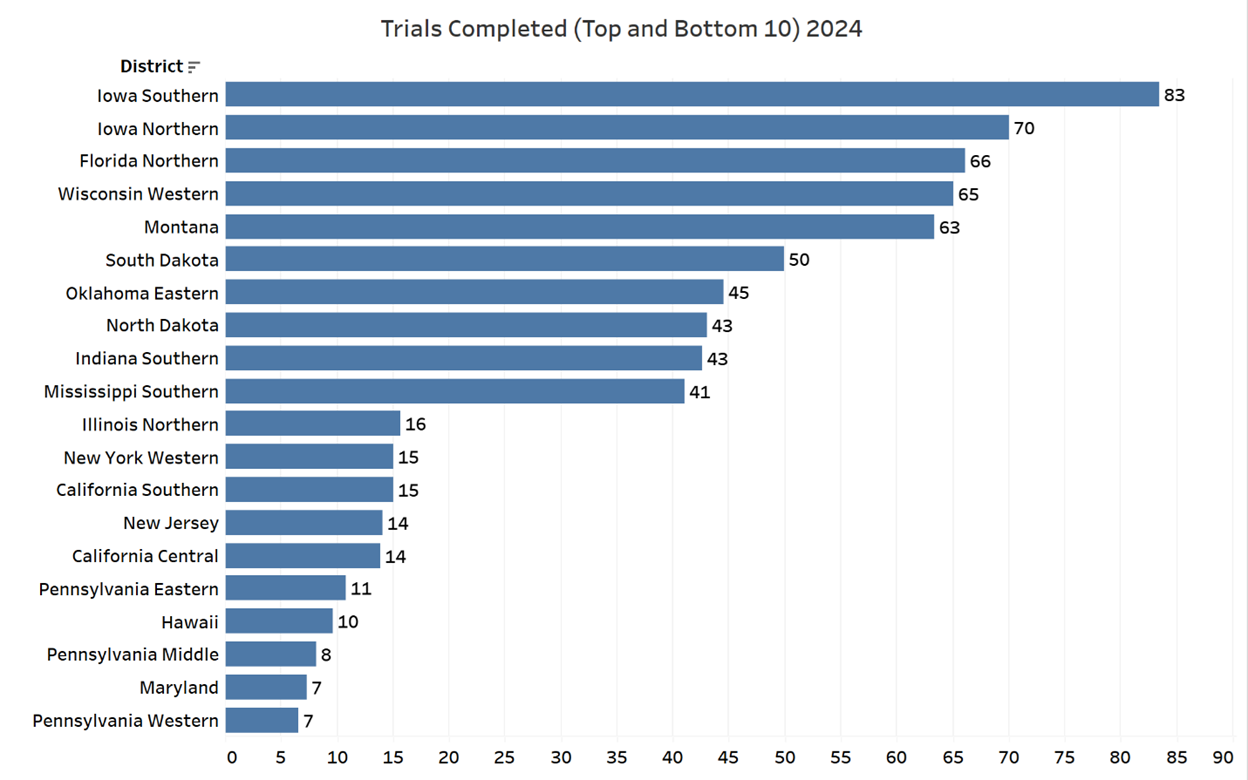
The trial phase represents the most visible aspect of the legal process, though relatively few cases reach this stage. Legal process research studies trial frequency, duration, and outcomes to understand why settlement dominates modern litigation.
Trials operationalize legal reasoning through evidentiary rules, witness examination, and argumentation. Researchers analyze how procedural constraints—such as evidentiary exclusions or jury instructions—affect fact-finding accuracy and verdict consistency.
Judgments and remedies translate legal conclusions into enforceable outcomes. Whether courts award damages, injunctions, or declaratory relief depends not only on substantive law but also procedural posture. Research into remedies highlights disparities in enforcement effectiveness and compliance, particularly in complex or multi-party litigation.
Appeals and Post-Judgment Review
Appeals serve as the primary mechanism for error correction and doctrinal development. Legal process research examines appellate reversal rates, standards of review, and issue preservation rules to assess how effectively appellate courts oversee trial courts.
Post-judgment procedures—including enforcement, modification, and collateral review—receive increasing scholarly attention. These stages determine whether legal victories translate into real-world relief. Research frequently reveals a gap between formal judgments and practical enforcement, especially in cases involving institutional defendants.
Data-Driven Legal Analysis
Empirical Legal Research
Empirical legal research applies quantitative and qualitative methods to study how the legal process functions in practice. Rather than relying solely on doctrinal analysis, researchers collect data on filings, motions, rulings, and outcomes.
This approach allows for testing assumptions embedded in procedural rules. For example, studies may analyze whether stricter pleading standards reduce frivolous lawsuits or simply shift costs to earlier stages. Empirical findings increasingly inform procedural reform debates and judicial policymaking.
Litigation Analytics and Metrics
Litigation analytics has transformed legal process analysis by making large-scale procedural data accessible. Metrics such as time-to-resolution, motion success rates, and judge-specific tendencies provide granular insight into procedural dynamics.
Legal professionals use analytics to evaluate litigation risk and strategy, while scholars use the same data to study systemic patterns. For instance, analyzing docket congestion across jurisdictions can reveal structural inefficiencies and inform case management reforms.
Judicial Behavior and Decision Patterns
A growing area of legal process research focuses on judicial behavior. By examining voting patterns, citation practices, and procedural rulings, researchers identify trends in how judges exercise discretion.
Studies often incorporate variables such as workload, institutional norms, and legal culture. This research does not imply impropriety; rather, it recognizes that decision-making occurs within constraints. Understanding these patterns enhances transparency and supports evidence-based reform.
Technology and Legal Process Analysis
Legal Research Platforms
Digital research platforms have redefined access to procedural law. Advanced search algorithms, citation tracking, and document analytics allow researchers to map procedural doctrines across thousands of cases.
These tools reduce information asymmetry but also raise concerns about over-reliance on proprietary systems. Legal process research increasingly evaluates how platform design influences research outcomes and professional judgment.
Artificial Intelligence in Legal Analysis
Artificial intelligence (AI) plays an expanding role in legal process analysis. Machine learning models can classify pleadings, predict motion outcomes, and identify procedural anomalies at scale.
From a research perspective, AI enables analysis of patterns previously invisible due to data volume. However, scholars caution that algorithmic models may replicate historical biases embedded in procedural data. Responsible use requires transparency, validation, and human oversight.

Predictive Analytics and Risk Assessment
Predictive analytics applies statistical modeling to forecast procedural outcomes such as settlement likelihood or appellate reversal. These tools support strategic decision-making but also influence how legal actors perceive risk.
Legal process research interrogates the normative implications of prediction. If parties rely heavily on forecasts, procedural behavior may shift, potentially reinforcing dominant trends and reducing doctrinal innovation.
Current Trends in Legal Process Research
Efficiency and Case Management Reforms
Courts worldwide face increasing caseloads, prompting reforms aimed at efficiency. Legal process research evaluates innovations such as early case assessment, mandatory disclosure, and streamlined procedures.
Data-driven studies assess whether these reforms reduce delay without compromising procedural fairness. Findings often show mixed results, underscoring the importance of context-specific analysis.
Access to Justice and Procedural Fairness
Access to justice has emerged as a central theme in legal process research. Scholars analyze how procedural complexity, cost, and delay disproportionately affect marginalized litigants.
Research highlights the tension between efficiency-oriented reforms and procedural fairness. Simplified processes may increase access, but they can also limit participation or reduce accuracy. Balancing these values remains a core challenge.
Globalization of Legal Procedures
Legal processes increasingly reflect cross-border influences. Comparative research examines how procedural innovations migrate between jurisdictions, particularly in areas like arbitration and transnational litigation.
This globalization encourages convergence but also exposes cultural and institutional differences. Legal process research plays a key role in identifying which procedural models are adaptable and which depend on local context.
Challenges and Limitations in Legal Process Research
Data Bias and Interpretation Risks
One of the most significant challenges in Legal Process Research and Analysis is data bias. Procedural datasets often reflect historical inequalities, selective enforcement, and structural asymmetries. When researchers analyze filings, rulings, or outcomes, they are studying behavior shaped by access to resources, representation quality, and institutional constraints.
Bias can emerge at multiple levels: which cases are filed, which motions are pursued, and which disputes settle before judgment. Empirical findings must therefore be interpreted cautiously. Without contextualization, data-driven conclusions may overstate neutrality or mask systemic disparities embedded in procedural law.
Legal scholars increasingly emphasize mixed-method approaches—combining quantitative analysis with doctrinal and qualitative research—to mitigate these risks and ensure analytical rigor.
Ethical and Privacy Considerations
The expansion of empirical and technology-assisted research raises serious ethical questions. Court records often contain sensitive personal and commercial information. Large-scale data aggregation amplifies privacy risks, particularly when datasets are cross-referenced or repurposed.
Ethical legal research methods require balancing transparency with confidentiality. Researchers must consider whether procedural openness unintentionally harms litigants, especially in family law, immigration, or criminal contexts. Institutional review standards and data anonymization practices are becoming central to responsible legal process research.
Over-Reliance on Technology
While analytics and AI enhance insight, over-reliance on technological tools can distort legal reasoning. Predictive models may encourage conformity rather than principled argument, particularly if practitioners tailor strategies to anticipated judicial behavior instead of legal merit.
From a research perspective, this raises normative concerns. If legal actors increasingly defer to probabilistic forecasts, procedural law may evolve in response to models rather than values. Scholars caution that technology should inform—not replace—human judgment and doctrinal analysis.

Comparative Legal Process Analysis
Common Law vs Civil Law Procedures
Comparative legal process research often begins by contrasting common law and civil law systems. Common law jurisdictions emphasize adversarial procedures, party-driven litigation, and precedent-based reasoning. Civil law systems rely more heavily on inquisitorial processes and codified procedure.
Research examines how these structural differences affect efficiency, accuracy, and legitimacy. For example, studies comparing discovery practices highlight trade-offs between comprehensive fact-finding and cost containment. Comparative analysis reveals that procedural design reflects deeper legal culture and institutional history.
Hybrid and Transnational Procedures
Globalization has produced hybrid procedural models that blend elements from multiple traditions. Arbitration, international commercial courts, and cross-border regulatory proceedings often incorporate flexible procedural frameworks.
Legal process research evaluates whether these hybrid systems enhance dispute resolution or create uncertainty. Procedural predictability is particularly important in transnational contexts, where parties operate under diverse legal expectations.
Procedural Harmonization Efforts
International organizations and regional bodies have promoted procedural harmonization to facilitate cross-border cooperation. Researchers analyze whether harmonized rules improve efficiency or merely shift complexity to interpretation and enforcement.
Findings suggest that harmonization succeeds when it accommodates local institutional capacity. Uniform procedural rules without contextual adaptation may undermine legitimacy rather than promote justice.
Legal Process Research in Criminal and Administrative Contexts
Criminal Procedure Analysis
Criminal procedure presents distinct analytical challenges. Research focuses on safeguards such as burden of proof, evidentiary standards, and defendants’ rights. Empirical studies examine plea bargaining prevalence, pretrial detention practices, and sentencing patterns.
Legal process analysis in this domain often highlights the gap between formal protections and operational realities. Procedural shortcuts, while efficient, may compromise accuracy and public confidence.
Administrative and Regulatory Procedures
Administrative processes govern vast areas of modern governance. Research analyzes rulemaking, adjudication, and enforcement within agencies, focusing on procedural transparency and accountability.
Administrative legal process research frequently addresses participation rights, notice-and-comment procedures, and judicial review standards. These studies inform debates about the legitimacy of administrative power and the balance between expertise and democratic oversight.
Interdisciplinary Approaches to Legal Process Research
Economics and Behavioral Insights
Law and economics has long influenced procedural analysis by emphasizing incentives and cost-benefit considerations. More recently, behavioral insights have enriched this perspective by accounting for cognitive biases affecting litigants, lawyers, and judges.
Research incorporating behavioral science challenges assumptions of rational decision-making. For example, settlement behavior often deviates from predicted outcomes due to risk aversion or framing effects.
Sociology and Institutional Analysis
Sociological approaches examine courts as institutions embedded in broader social systems. Legal process research in this tradition studies professional norms, organizational culture, and power dynamics.
This lens reveals how informal practices shape procedural outcomes, sometimes more profoundly than formal rules. Institutional analysis thus complements doctrinal and empirical research by explaining how law operates in context.
Future Directions and Emerging Insights
Procedural Innovation and Experimentation
Courts increasingly experiment with procedural innovation, including specialized dockets, online dispute resolution, and problem-solving courts. Legal process research evaluates these experiments using empirical metrics and normative criteria.
Early findings suggest that innovation can improve efficiency and satisfaction, but only when supported by adequate resources and oversight. Procedural experimentation without evaluation risks creating fragmented justice.
Evidence-Based Judicial Reform
Evidence-based reform represents a major future direction. Rather than relying on anecdote or tradition, policymakers increasingly turn to data-driven legal process research to guide procedural change.
This shift enhances legitimacy but also demands methodological transparency. Researchers play a critical role in translating complex findings into actionable insights without oversimplification.
The Normative Future of Legal Process Analysis
Beyond efficiency and prediction, the future of legal process research lies in reaffirming normative commitments. Due process, legitimacy, and fairness remain foundational values that cannot be reduced to metrics alone.
The most influential legal process research integrates doctrine, data, and ethics. By doing so, it ensures that procedural evolution aligns with democratic principles and public trust.

Synthesizing Trends in Legal Process Research and Analysis
From Doctrinal Formalism to Evidence-Based Insight
Across jurisdictions and disciplines, Legal Process Research and Analysis has shifted from a primarily doctrinal enterprise to a multidimensional field integrating data, theory, and institutional context. Traditional legal reasoning remains indispensable, but it is increasingly complemented by empirical evidence that tests whether procedural rules function as intended.
This synthesis reveals a recurring theme: procedural design is inseparable from outcomes. Rules governing pleadings, discovery, adjudication, and review do more than structure disputes—they shape access to justice, distribution of power, and public confidence in legal institutions. Research consistently shows that even minor procedural adjustments can generate significant behavioral change among litigants and courts.
Interplay Between Efficiency and Fairness
One of the most enduring insights from legal process research is the tension between efficiency and fairness. Procedural reforms often prioritize speed, cost reduction, and docket management. While these goals are legitimate, data-driven studies demonstrate that efficiency gains may disproportionately affect weaker parties.
Legal process analysis thus emphasizes balance. Fairness-enhancing safeguards—notice, participation, reasoned decision-making—carry costs, but their absence undermines legitimacy. The most successful procedural systems are those that align efficiency with procedural fairness, rather than treating them as competing values.
Policy Implications of Legal Process Research
Informing Legislative and Rulemaking Decisions
Legal process research plays a critical role in informing procedural reform at the legislative and regulatory levels. Policymakers increasingly rely on empirical findings when drafting or revising procedural codes, recognizing that assumptions about behavior must be tested against real-world data.
Research on litigation duration, settlement rates, and motion practice provides concrete benchmarks for evaluating proposed reforms. Importantly, evidence-based policymaking also highlights unintended consequences, enabling corrective adjustments before systemic harm occurs.
Judicial Administration and Court Management
Court administrators benefit directly from legal process research. Studies on case flow management, judicial workload, and alternative dispute resolution inform resource allocation and institutional design.
Data-driven insights support innovations such as differentiated case management, where procedures are tailored to dispute complexity. This approach reflects a broader trend toward proportionality—matching procedural intensity to the needs of each case.
Safeguarding Legitimacy and Public Trust
Beyond efficiency, procedural legitimacy remains a core policy concern. Research consistently shows that litigants value transparency, voice, and respectful treatment, even when outcomes are unfavorable.
Legal process analysis thus reinforces the importance of visible fairness. Policymakers who overlook these dimensions risk eroding trust in legal institutions, regardless of performance metrics.
Practical Insights for Legal Practitioners
Strategic Use of Procedural Data
For practitioners, the rise of analytics transforms procedural strategy. Understanding motion success rates, timelines, and forum-specific tendencies enables more informed decision-making.
However, legal process research cautions against mechanical reliance on data. Procedural choices should integrate analytics with legal reasoning, ethical judgment, and client objectives. Data is a guide, not a substitute for advocacy.
Procedural Literacy as Professional Competence
Modern legal practice demands high procedural literacy. Lawyers must understand not only what rules require, but how they operate in practice. Research-driven insights into discovery behavior, settlement dynamics, and appellate review enhance professional competence.
Practitioners who engage with legal process research are better positioned to anticipate risks, manage client expectations, and contribute to systemic improvement.
Ethical Practice in a Data-Rich Environment
As procedural data becomes ubiquitous, ethical responsibilities intensify. Lawyers must navigate confidentiality, data security, and algorithmic transparency.
Legal process research underscores that ethical practice extends beyond compliance—it includes critical evaluation of tools and methods. Practitioners share responsibility for ensuring that procedural innovation does not compromise justice.
Implications for Legal Education and Scholarship
Integrating Empirical Methods into Legal Education
Legal education increasingly incorporates empirical methods, reflecting the evolution of legal process research. Exposure to data analysis, statistics, and interdisciplinary perspectives equips future lawyers to engage with procedural complexity.
This integration does not diminish doctrinal study; rather, it enriches it by grounding theory in observable practice.
Bridging the Gap Between Theory and Practice
Legal process scholarship serves as a bridge between abstract principles and institutional reality. By examining how procedures function on the ground, researchers inform both normative theory and practical reform.
The most influential scholarship communicates findings clearly to judges, policymakers, and practitioners, translating complexity into actionable insight.
The Future of Legal Process Research and Analysis
Responsible Innovation and Continuous Evaluation
Looking forward, the future of legal process research lies in responsible innovation. Technology, analytics, and procedural experimentation will continue to reshape legal systems, but their impact must be continuously evaluated.
Ongoing research ensures that innovation aligns with foundational legal values rather than undermining them.
Reaffirming Core Procedural Values
Ultimately, Legal Process Research and Analysis is not merely technical. It is normative, institutional, and human. Due process, legitimacy, and fairness remain non-negotiable benchmarks against which all procedural change must be measured.
The enduring contribution of legal process research is its capacity to illuminate how law operates in practice—revealing strengths, diagnosing weaknesses, and guiding reform grounded in evidence and principle.

Conclusion
Legal process research has matured into a vital field that informs doctrine, policy, and practice. By integrating data, theory, and ethical reflection, it ensures that procedural systems evolve thoughtfully in response to societal needs.
In an era of rapid technological and institutional change, rigorous legal process analysis remains essential to preserving justice, accountability, and public trust.