
Understanding Legal Processes
A legal process refers to the structured sequence of steps through which laws are created, interpreted, applied, and enforced. While the exact procedures differ from country to country, all legal processes aim to uphold justice, maintain social order, and protect individual rights. At their core, legal processes transform abstract legal rules into real-world outcomes that affect people, organizations, and governments.
The concept of rule of law underpins every functioning legal system. This principle holds that everyone—citizens, officials, and institutions alike—is subject to the law. Closely connected is due process, which ensures fairness, transparency, and consistency in how legal decisions are made. Whether someone is filing a civil lawsuit in France or facing criminal charges in Japan, due process guarantees notice of proceedings, the right to be heard, and an impartial decision-maker.
Across the globe, legal processes act as both preventive mechanisms—deterring unlawful behavior—and corrective mechanisms, resolving disputes when conflicts arise. Understanding how these processes work provides clarity not only for legal professionals, but also for everyday individuals navigating contracts, property disputes, employment issues, or criminal allegations.
Major Legal Systems Around the World
Although thousands of legal traditions exist, most countries follow one of several core legal system models. These frameworks shape how legal processes are structured and how decisions are made.
Common Law Systems
Common law systems, used in countries such as the United States, the United Kingdom, Canada, and Australia, rely heavily on judicial precedent. Past court decisions influence how judges interpret and apply the law in future cases. This doctrine, often called stare decisis, promotes consistency while allowing gradual legal evolution.
In common law jurisdictions, judges play an active role in shaping the law. Court rulings become binding authority, especially decisions from higher courts like the Supreme Court of the United States. Legal processes here often involve detailed arguments from opposing parties, extensive examination of evidence, and carefully reasoned judgments.
Civil Law Systems
Civil law systems, dominant in Europe, Latin America, and parts of Asia and Africa, are built on comprehensive legal codes. Instead of relying primarily on precedent, judges apply written statutes that clearly define rights, obligations, and procedures.
Countries such as France, Germany, and Japan emphasize legislative authority. Legal processes in civil law systems are often more inquisitorial, meaning judges take a more active role in investigating facts rather than acting solely as neutral arbiters between opposing lawyers.
Religious and Mixed Legal Systems
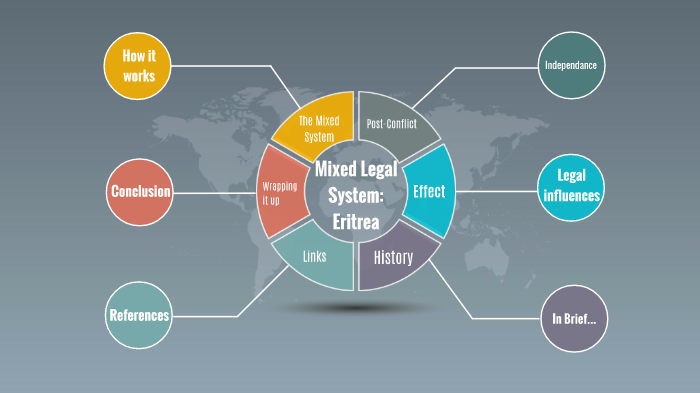
Some nations incorporate religious law, such as Islamic Sharia, into their legal processes. Others operate mixed systems, blending civil law, common law, and customary traditions. These hybrid models reflect cultural, historical, and political realities while still adhering to fundamental procedural safeguards.
Key Institutions in Legal Processes
Every legal process depends on institutions designed to perform specialized roles within the system.
Courts and Judiciaries
Courts are the central arenas where legal processes unfold. They interpret laws, evaluate evidence, and issue binding decisions. Judicial structures vary widely—from local trial courts to national supreme courts and international tribunals.
At the international level, bodies like the International Court of Justice resolve disputes between states, while the European Court of Human Rights ensures member states uphold fundamental rights.

Legislatures and Lawmaking Bodies
Legal processes begin long before disputes arise. Legislatures draft, debate, and enact laws that define acceptable behavior and establish procedures. Parliaments, congresses, and assemblies provide the statutory foundation upon which courts operate.
Law Enforcement and Regulatory Agencies
Law enforcement agencies investigate potential violations and ensure compliance with legal rules. In criminal matters, they gather evidence and work with prosecutors to initiate cases. Regulatory agencies oversee specialized areas such as finance, environment, and labor, often operating their own quasi-judicial processes.
Types of Legal Cases
Legal processes differ depending on the nature of the dispute or alleged wrongdoing.
Civil Law Cases
Civil cases address conflicts between private parties—individuals, businesses, or organizations. Common examples include contract disputes, property claims, and family law matters. The goal is typically compensation or restitution, not punishment.
Criminal Law Cases
Criminal cases involve actions considered offenses against society as a whole. Governments prosecute individuals accused of crimes, seeking penalties such as fines or imprisonment. Criminal legal processes emphasize presumption of innocence and higher standards of proof.
Administrative and Constitutional Cases
Administrative cases involve disputes with government agencies, while constitutional cases address whether laws or actions violate foundational legal principles. These processes play a critical role in maintaining checks and balances within a state.
Overview of the Legal Process Lifecycle
Despite global variations, most legal processes follow a recognizable lifecycle: initiation, preparation, adjudication, review, and enforcement. Each stage is governed by procedural rules designed to ensure fairness and efficiency.
In the next part, we will examine each stage of this lifecycle in detail—starting with investigations and filings, and moving through trials, appeals, and enforcement—while comparing how these steps operate across different legal systems worldwide.
The Legal Process Lifecycle: From Dispute to Decision
While legal systems differ in structure and philosophy, the legal process lifecycle follows a broadly similar path worldwide. Each stage is governed by procedural safeguards designed to ensure fairness, accuracy, and legitimacy. Understanding these stages helps individuals anticipate what happens when a legal issue moves from allegation to resolution.
Investigation and Case Initiation
The legal process formally begins when a potential legal violation or dispute is identified. This stage determines whether a case proceeds further.
In criminal law, investigations are typically conducted by police or specialized enforcement agencies. Their role is to collect evidence, interview witnesses, and establish whether there is probable cause to believe a crime occurred. Prosecutors then decide whether to file formal charges, weighing evidentiary strength and public interest.
In civil law, investigations are less centralized. The injured party—called the plaintiff—initiates the process by filing a complaint or claim. This document outlines the alleged wrongdoing, legal basis, and requested remedy. Courts review filings to confirm jurisdiction and procedural compliance before formally opening the case.
Across jurisdictions, this stage reflects the principle of legal jurisdiction, ensuring that cases are heard by the appropriate authority. Without proper initiation, no legal process can legitimately proceed.

Pre-Trial Procedures and Case Preparation
Once a case is initiated, it enters the pre-trial phase, which focuses on preparation rather than judgment. This stage is critical, as many disputes are resolved before trial ever begins.
Disclosure and Discovery
In common law systems, parties engage in discovery, a formal exchange of information and evidence. This process prevents surprise tactics and promotes informed decision-making. Documents, witness lists, expert reports, and physical evidence are shared under court supervision.
Civil law systems handle this differently. Judges often control evidence gathering directly, requesting documents or commissioning expert evaluations. This reflects a more inquisitorial approach compared to the adversarial model of common law jurisdictions.
Motions and Preliminary Hearings
Both systems allow parties to raise legal objections through motions. These may seek dismissal, exclusion of evidence, or clarification of legal issues. In criminal cases, preliminary hearings assess whether sufficient evidence exists to justify a trial, protecting defendants from unfounded prosecutions.
Pre-trial procedures emphasize efficiency and fairness, ensuring that trials focus on genuine disputes rather than procedural confusion.
Alternative Dispute Resolution (ADR)
Not all legal processes end in courtrooms. Many systems actively encourage alternative dispute resolution to reduce costs, delays, and adversarial tension.
ADR includes mediation, arbitration, and conciliation. In mediation, a neutral third party facilitates negotiation without imposing a decision. Arbitration, by contrast, results in a binding ruling, often enforced like a court judgment.
International commerce frequently relies on arbitration, supported by treaties such as the New York Convention. Organizations like the United Nations promote ADR mechanisms to ease cross-border legal friction and foster cooperation.
ADR highlights a key insight: legal processes are not only about winning or losing, but about resolving disputes effectively.
Trial and Adjudication
When disputes cannot be resolved beforehand, they proceed to trial, the most visible stage of the legal process.
Structure of a Trial
Trials vary by legal tradition, but core elements remain consistent. Parties present arguments, submit evidence, and examine witnesses. Judges or juries evaluate credibility and legal relevance before reaching a decision.
In common law systems, trials are often adversarial. Lawyers control presentation, while judges act as neutral referees. In civil law jurisdictions, judges lead proceedings, questioning witnesses and shaping the evidentiary record.
Burden and Standard of Proof
A defining feature of adjudication is the burden of proof. In civil cases, plaintiffs must typically prove claims on a “balance of probabilities.” Criminal cases impose a higher standard—“beyond reasonable doubt”—reflecting the severe consequences of conviction.
These standards protect fundamental legal rights, ensuring that judgments rest on reliable and persuasive evidence rather than suspicion or bias.
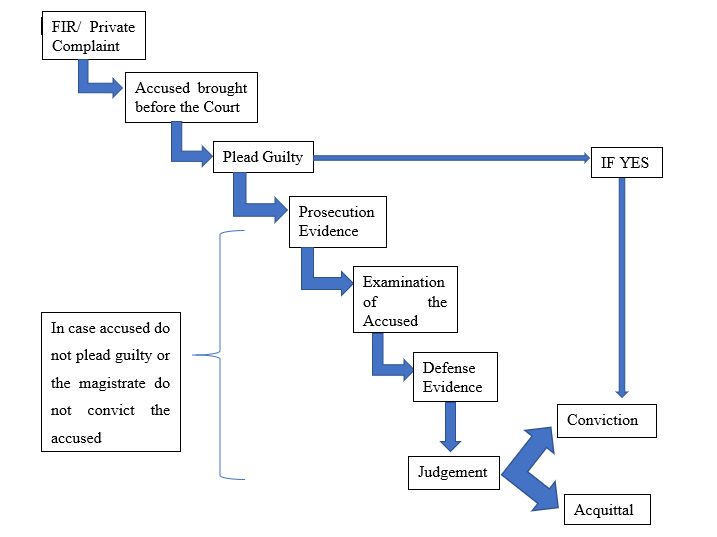
Judgment, Verdicts, and Legal Reasoning
After evidence and arguments conclude, courts issue a judgment or verdict. This decision resolves the dispute and explains the legal reasoning behind the outcome.
In civil law systems, judgments often reference specific statutory provisions. In common law jurisdictions, judges may cite prior cases, reinforcing or refining precedent. Written opinions serve an essential function: they promote transparency, guide future cases, and reinforce trust in the judiciary.
Higher courts, including constitutional or supreme courts, may issue decisions with far-reaching consequences. For example, rulings by the Supreme Court of the United States shape national policy on issues ranging from civil rights to economic regulation.
Appeals and Judicial Review
Legal processes rarely end with a single decision. Most systems allow for appeals, enabling higher courts to review lower court rulings for legal or procedural errors.
Appeals do not typically re-examine factual evidence. Instead, they focus on whether the law was correctly interpreted and applied. This safeguards consistency and prevents miscarriages of justice.
At the international level, judicial review plays a crucial role. The European Court of Human Rights allows individuals to challenge state actions that allegedly violate human rights, reinforcing accountability beyond national borders.
Appeals underscore that legal processes are dynamic, capable of self-correction and evolution.
Enforcement of Judgments
A legal decision has little value without enforcement. The final stage of the legal process ensures that judgments translate into real-world outcomes.
In civil cases, enforcement may involve wage garnishment, asset seizure, or court-ordered compliance. Criminal judgments lead to penalties such as imprisonment, fines, or probation, administered by correctional institutions and supervisory agencies.
International enforcement presents unique challenges, as courts lack centralized authority. Nonetheless, compliance mechanisms, diplomatic pressure, and treaty obligations encourage states to respect decisions from bodies like the International Court of Justice.

Why the Legal Process Lifecycle Matters
Understanding the lifecycle of legal processes reveals a carefully balanced system. Each stage—from investigation to enforcement—serves a distinct function, collectively ensuring that laws are applied fairly and consistently.
Legal processes protect individuals from arbitrary power, provide mechanisms for peaceful dispute resolution, and uphold societal norms. They also adapt over time, responding to social change, technological advancement, and global interconnectedness.
Comparative Legal Processes Across Regions
Legal processes reflect the history, culture, and political structure of each society. While the foundational principles of fairness, accountability, and order are widely shared, the way they are implemented varies significantly across regions. Comparative analysis reveals how different systems address similar challenges—and what they can learn from one another.
Legal Processes in North America
In North America, particularly the United States and Canada, legal processes are rooted in the common law tradition. Courts play a central role in interpreting statutes, and judicial decisions strongly influence future cases.
Adversarial Structure and Rights Protection
North American legal processes are highly adversarial. Opposing parties present their cases before an impartial judge or jury, and the outcome depends on the strength of arguments and evidence. This structure emphasizes individual legal rights, including the right to counsel, the right to remain silent, and the right to a public trial.
The appeal system is extensive, allowing multiple layers of judicial review. This ensures consistency but can also result in lengthy proceedings. Landmark rulings from high courts shape not only legal doctrine but also social policy, reinforcing the judiciary’s influential role.

Legal Processes in Europe
Europe is dominated by civil law systems, though the United Kingdom remains a prominent common law jurisdiction. European legal processes are generally more codified, with comprehensive statutes governing both substance and procedure.
Inquisitorial Emphasis and Human Rights Oversight
In many European countries, judges actively manage cases, direct investigations, and question witnesses. This inquisitorial approach aims to uncover objective truth rather than merely arbitrate between competing narratives.
A defining feature of European legal processes is strong supranational oversight. The European Union has its own legal order, requiring member states to harmonize national laws with EU regulations. This creates a multilayered legal process where domestic courts apply both national and European law.
European systems tend to prioritize efficiency and predictability, with fewer jury trials and more reliance on professional judges.
Legal Processes in Asia
Asia presents immense legal diversity, ranging from civil law systems influenced by European models to customary and religious frameworks.
Hybrid Models and State Authority
Countries such as Japan and South Korea use civil law foundations combined with local practices. Others integrate customary norms alongside formal statutes. In many Asian jurisdictions, legal processes emphasize social harmony and dispute avoidance, often encouraging settlement over litigation.
State authority plays a prominent role, particularly in criminal proceedings. Prosecutorial discretion is significant, and conviction rates can be high. While procedural safeguards exist, the balance between individual rights and collective stability differs markedly from Western models.
Legal Processes in Africa
African legal processes are shaped by colonial history, indigenous customs, and modern constitutional frameworks. Most countries operate mixed legal systems, blending common law or civil law with customary law.
Customary Law and Access to Justice
Customary courts play a vital role, particularly in rural areas. These forums emphasize community norms, reconciliation, and restorative justice rather than punishment. While they improve access to justice, challenges arise when customary practices conflict with constitutional rights.
Post-independence constitutions have strengthened judicial review and human rights protections. Many African courts now balance tradition with modern legal standards, demonstrating how legal processes evolve to reflect social realities.
Legal Processes in the Middle East
Middle Eastern legal systems often combine civil law structures with religious law, particularly Islamic Sharia. The extent of religious influence varies by country.
Religious Foundations and Modern Codification
In some jurisdictions, Sharia governs family and personal status law, while commercial and criminal matters follow codified statutes. Legal processes here emphasize moral and ethical considerations alongside procedural rules.
Judicial independence varies, with some systems granting courts broad authority and others maintaining strong executive influence. These dynamics shape how disputes are resolved and how consistently laws are applied.
International and Transnational Legal Processes
Globalization has expanded legal processes beyond national borders. Trade, human rights, and environmental issues increasingly rely on international legal mechanisms.
International Courts and Arbitration
Organizations such as the World Trade Organization oversee dispute settlement between states, ensuring compliance with international agreements. Arbitration tribunals resolve cross-border commercial disputes, offering neutrality and enforceability.
International legal processes face enforcement challenges, as compliance depends on state cooperation. Nevertheless, they play a crucial role in maintaining global order and predictability.
Key Differences and Shared Principles
Despite regional variation, comparative analysis reveals shared principles:
- Procedural fairness is universally valued
- Judicial legitimacy depends on transparency and consistency
- Appeal mechanisms exist to correct errors
Differences arise in the balance between adversarial and inquisitorial models, the role of precedent, and the influence of cultural norms.
Emerging Global Trends in Legal Processes
Legal processes worldwide are undergoing transformation. Digital courts, online filings, and virtual hearings are improving efficiency and access. International cooperation is increasing, particularly in areas like cybercrime and environmental regulation.
At the same time, debates continue over judicial independence, access to justice, and the protection of fundamental rights. These challenges ensure that legal processes remain dynamic rather than static.
The Future of Legal Processes in a Globalized World
Legal processes are not static systems frozen in time. They evolve alongside societies, economies, and technologies. As the world becomes increasingly interconnected, legal systems face growing pressure to become more accessible, efficient, and globally compatible while still preserving fairness and legitimacy. This final section explores where legal processes are heading and how individuals, businesses, and governments can navigate the future legal landscape.
Digital Transformation of Legal Processes
One of the most significant developments shaping modern legal processes is digitalization. Courts and legal institutions worldwide are adopting technology to streamline procedures and reduce barriers to justice.
E-Courts and Online Proceedings
Many jurisdictions now allow electronic filing, virtual hearings, and digital case management systems. These tools reduce delays, cut costs, and expand access—especially for individuals in remote areas. During global crises, such as pandemics, digital courts ensured continuity of justice when physical hearings were impossible.
However, digital legal processes also raise concerns. Access to technology is uneven, and cybersecurity risks threaten the confidentiality of sensitive legal information. Ensuring procedural fairness in virtual environments remains a central challenge.
Artificial Intelligence and Automation in Law
Beyond digitization, artificial intelligence (AI) is beginning to influence how legal processes operate.
Predictive Tools and Legal Analytics
AI-powered systems assist lawyers and judges by analyzing large volumes of case law, predicting litigation outcomes, and identifying procedural patterns. In administrative and regulatory contexts, automation speeds up routine decisions such as permit approvals or compliance checks.
While these tools enhance efficiency, they also introduce ethical questions. Transparency, accountability, and bias prevention are critical. Legal processes must ensure that AI supports human judgment rather than replacing it, preserving the core values of justice and responsibility.
Globalization and Legal Harmonization
As trade, migration, and digital activity transcend borders, legal processes increasingly interact across jurisdictions.
Cross-Border Disputes and Cooperation
International commerce relies on predictable legal frameworks. Treaties, model laws, and arbitration rules help harmonize procedures and reduce uncertainty. Institutions like the World Bank and the Organisation for Economic Co-operation and Development support legal reforms that strengthen rule of law and economic stability worldwide.
Despite these efforts, differences in enforcement standards and judicial independence persist. Balancing national sovereignty with global cooperation remains one of the most complex challenges facing modern legal processes.

Access to Justice and Legal Equity
A critical measure of any legal process is who can realistically use it. Around the world, access to justice remains uneven due to cost, complexity, and lack of legal awareness.
Legal Aid and Simplified Procedures
Governments and civil society organizations are expanding legal aid programs and simplifying procedures for small claims, family law, and administrative disputes. Technology-based solutions—such as legal chatbots and online guidance portals—help individuals understand their rights without immediate professional assistance.
Still, systemic inequalities persist. Ensuring that legal processes serve all members of society, not just those with resources, is a defining challenge for future reform.
Judicial Independence and Public Trust
Legal processes depend on public confidence. Without trust in courts and institutions, even well-designed procedures lose legitimacy.
Safeguarding the Rule of Law
Around the world, debates continue over judicial independence, political influence, and accountability. Transparent appointments, clear procedural rules, and reasoned judgments strengthen confidence in the legal system.
International monitoring, peer review, and civil society oversight increasingly play roles in reinforcing standards. Strong legal processes act as safeguards against abuse of power, corruption, and arbitrary decision-making.
How Individuals and Businesses Can Navigate Legal Processes
Understanding how legal processes work is not just theoretical—it has practical value.
For individuals:
- Learn basic procedural rights and obligations
- Seek early legal advice to avoid escalation
- Use mediation or ADR when appropriate
For businesses:
- Understand jurisdictional differences in contracts
- Use arbitration clauses in cross-border transactions
- Monitor regulatory compliance proactively
Legal literacy empowers people to engage with the law confidently rather than fearfully.
Conclusion: Why Legal Processes Matter More Than Ever
Legal processes are the invisible architecture of modern society. They regulate conflict, protect rights, enable economic activity, and hold power to account. While systems differ globally, their shared purpose is universal: to replace force and uncertainty with reasoned decision-making and fairness.
As technology advances and globalization deepens, legal processes will continue to evolve. The challenge is not simply to make them faster or cheaper, but to ensure they remain just, inclusive, and trustworthy.
Understanding how legal processes work—across borders and traditions—is no longer just for lawyers. It is essential knowledge for anyone living, working, or doing business in a connected world.