

Understanding the Role of Insurance in Risk Management
Insurance exists as a formal mechanism for risk transfer, allowing individuals and organizations to shift the financial burden of unexpected losses to an insurer. Instead of absorbing the full cost of accidents, injuries, property damage, or lawsuits, the insured pays a predictable premium in exchange for financial protection.
At its core, insurance stabilizes economic activity. Businesses can operate knowing that catastrophic liability claims will not necessarily bankrupt them, while individuals gain peace of mind that everyday risks—auto accidents, home damage, or personal injury claims—are manageable. This predictability is essential in modern economies, where legal liability and financial exposure are constant realities.
From a broader perspective, insurance also promotes responsible behavior. Underwriting standards, premium pricing, and policy conditions incentivize safer practices, better compliance, and proactive risk management.
Why Insurance Exists
Insurance exists because uncertainty is unavoidable. Even with best practices, losses happen—fires ignite, accidents occur, errors are made. Without insurance, individuals and businesses would need to self-fund these losses, tying up capital and limiting growth.
By pooling risk across many policyholders, insurers can statistically predict losses and distribute costs efficiently. This system ensures that no single insured bears a disproportionate burden. In liability contexts, this becomes especially critical, as legal claims can escalate quickly due to medical expenses, legal fees, and damages.
Risk Transfer vs Risk Retention
Not all risk is transferred through insurance. Some risks are deliberately retained—either because coverage is unavailable, too expensive, or strategically unnecessary. Deductibles, self-insured retentions, and exclusions all represent partial risk retention.
Understanding where insurance coverage ends and personal or corporate responsibility begins is foundational to navigating insurance and liability processes effectively.
Core Concepts of Insurance Coverage
An insurance policy is a legally binding contract that defines rights, responsibilities, and financial obligations for both the insurer and the policyholder. Misunderstanding policy language is one of the most common causes of claim disputes.
Policies are not generic promises of payment—they are structured agreements with precise conditions.
What Is an Insurance Policy?
An insurance policy is composed of several interconnected sections, each serving a specific legal function.
Declarations Page
The declarations page summarizes essential information: the insured party, coverage types, policy period, limits, deductibles, and premiums. While concise, errors here can invalidate coverage or complicate claims.
Insuring Agreement
This section outlines what the insurer agrees to cover. It defines covered perils, losses, or liabilities and establishes the insurer’s duty to defend or indemnify the insured.
Coverage Limits and Deductibles
Coverage limits represent the maximum amount an insurer will pay for a covered loss. These limits may apply per occurrence, per claim, or over the policy period.
Deductibles require the insured to absorb an initial portion of the loss, aligning incentives and reducing minor claims. Choosing appropriate limits and deductibles is a strategic decision balancing affordability and protection.
Common Exclusions and Endorsements
Exclusions explicitly remove certain risks from coverage—intentional acts, criminal behavior, or specific hazards. Endorsements modify standard policies, either expanding or restricting coverage.
Understanding exclusions is crucial, as liability often arises precisely in these gray areas.
Types of Liability Insurance
Liability insurance protects against claims alleging injury, damage, or wrongdoing. While coverage structures vary, the underlying purpose remains consistent: financial defense and indemnification.
Personal Liability Coverage
Common in homeowners and auto policies, personal liability coverage addresses bodily injury or property damage caused to others. This includes legal defense costs, which often exceed settlement amounts.
Commercial Liability Coverage
Businesses face heightened exposure due to customers, employees, and contractual obligations. General liability policies cover premises injuries, advertising injury, and product-related claims.
Professional and Specialized Liability
Professionals—doctors, lawyers, consultants—require errors and omissions coverage. These policies address claims arising from professional judgment, advice, or services, where financial harm may occur without physical damage.
The Insurance Policy Lifecycle
Insurance coverage is not static; it evolves through a defined lifecycle governed by underwriting, regulation, and market conditions.
Application and Underwriting
Underwriting evaluates risk using data, disclosures, and actuarial models. Misrepresentation during this phase can void coverage later, making transparency essential.
Policy Issuance and Maintenance
Once issued, policies require ongoing compliance—premium payments, risk disclosures, and operational consistency. Material changes must be reported to avoid coverage gaps.
Renewal, Cancellation, and Non-Renewal
Insurers reassess risk at renewal. Policies may be canceled or non-renewed due to claims history, regulatory changes, or shifting risk profiles—events often overseen by regulators such as the National Association of Insurance Commissioners.
Legal Foundations of Liability
Liability stems from legal responsibility. Most insurance claims trace back to established legal doctrines rather than policy language alone.
Negligence and Duty of Care
Negligence requires a duty of care, breach, causation, and damages. Insurance responds when alleged negligence results in covered harm, triggering defense and indemnity obligations.
Contractual vs Tort Liability
Some liabilities arise from contracts, others from civil wrongs (torts). Policies may treat these differently, underscoring the importance of precise coverage analysis.
The Liability Claims Process: From Incident to Formal Claim
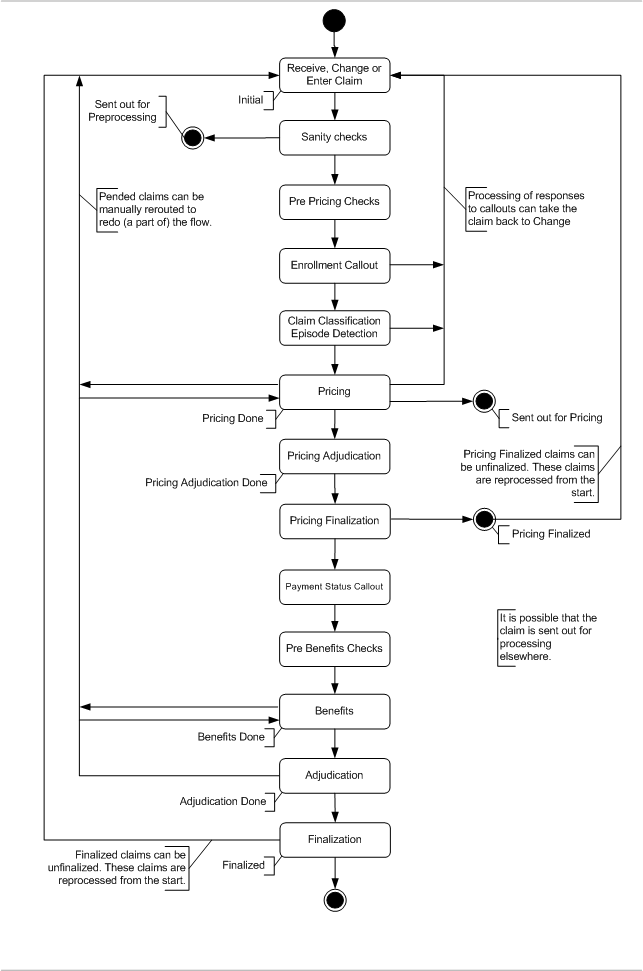
The liability claims process begins the moment an incident occurs that may trigger insurance coverage. This incident could be a car accident, a slip-and-fall injury, a professional error, or property damage allegedly caused by the insured. While coverage exists to protect against financial loss, that protection is conditional—activation requires adherence to defined procedural steps.
Most policies require prompt notice of any occurrence that may reasonably lead to a claim. Delayed reporting can jeopardize coverage, even if the claim itself is valid. Early notification allows insurers to preserve evidence, assess exposure, and fulfill their legal duty to defend.
Incident Reporting and Initial Notice
The first formal step is notifying the insurer. This typically includes:
- Date, time, and location of the incident
- Parties involved
- Description of alleged injury or damage
- Any immediate actions taken
This notice does not need to establish fault. Its purpose is informational, triggering internal claim assignment and preliminary review.
Failure to provide timely notice is one of the most common reasons insurers reserve rights or deny coverage later in the process.
Claim Assignment and Acknowledgment
Once reported, the insurer assigns the claim to a claims adjuster trained in the relevant coverage type. The adjuster becomes the central point of communication, responsible for evaluating liability, damages, and policy applicability.
Insurers are legally required to acknowledge claims within regulated timeframes—standards often shaped by state-level insurance oversight bodies and supported by consumer education organizations such as the Insurance Information Institute.
Coverage Review and Reservation of Rights
One of the adjuster’s first responsibilities is a coverage analysis. This involves comparing the reported facts against policy language, including:
- Insuring agreements
- Definitions
- Exclusions
- Endorsements
If uncertainty exists, insurers may issue a reservation of rights letter. This document informs the insured that the claim is being investigated while reserving the insurer’s right to deny coverage later if exclusions apply.
A reservation of rights does not mean denial—it preserves legal options while allowing the claim to proceed.
Claim Investigation and Evidence Gathering
The investigation phase is critical and often determines the outcome of the entire liability process. Adjusters gather evidence to evaluate both legal liability and damages.
Common investigative steps include:
- Interviewing involved parties and witnesses
- Reviewing police or incident reports
- Inspecting damaged property
- Collecting medical records or repair estimates
- Consulting experts when necessary
In complex liability cases, insurers may retain independent investigators, engineers, or medical professionals to establish causation and fault.
Determining Liability and Fault
Liability determination depends on applicable legal standards. In negligence-based claims, insurers assess whether the insured owed a duty of care, breached that duty, and caused measurable harm.
Fault may be:
- Fully assigned to the insured
- Shared among multiple parties
- Attributed entirely to another party
Comparative negligence rules vary by jurisdiction, influencing settlement strategy and exposure calculations.
Loss Adjustment and Damage Evaluation
Once liability is assessed, attention shifts to loss adjustment—the process of quantifying damages. In liability claims, damages may include:
- Medical expenses
- Lost wages
- Property repair or replacement
- Pain and suffering
- Legal defense costs
Adjusters rely on documentation, expert opinions, and established valuation models. Defense costs are particularly significant, as legal fees often exceed settlement amounts, reinforcing the value of insurance protection.
The Insurer’s Duty to Defend
Most liability policies impose a duty to defend, requiring insurers to provide legal representation even if allegations are groundless. This duty is broader than the duty to indemnify and activates as long as the claim potentially falls within coverage.
Defense counsel is typically selected by the insurer but represents the insured’s interests. Strategic decisions—motions, discovery, settlement posture—are coordinated between counsel and the claims team.
Settlement Negotiations and Demand Evaluation
Many liability claims resolve through settlement rather than litigation. Claimants or their attorneys submit a settlement demand, outlining alleged damages and legal theories.
Insurers evaluate demands by balancing:
- Likelihood of adverse judgment
- Estimated trial costs
- Policy limits
- Reputational and precedent concerns
Negotiation is often iterative, involving counteroffers and supporting documentation. Effective settlement minimizes uncertainty while controlling financial exposure.
Alternative Dispute Resolution (ADR)
When direct negotiation stalls, parties may pursue alternative dispute resolution methods such as mediation or arbitration. These approaches reduce costs and accelerate resolution compared to litigation.
Organizations like the American Arbitration Association provide structured frameworks for neutral evaluation and binding or non-binding decisions.
ADR is particularly common in commercial and professional liability disputes, where confidentiality and efficiency are prioritized.
Claim Denials and Disputed Coverage
Not all claims result in payment. Denials occur when:
- The incident falls outside policy coverage
- Exclusions apply
- Policy conditions were breached
Denial letters must clearly explain the basis for refusal, citing specific policy provisions. Disputed denials may lead to internal appeals, regulatory complaints, or litigation.
Understanding denial rationale is essential for determining next steps and preserving legal rights.
Bad Faith Allegations and Insurer Obligations
Insurers are legally obligated to handle claims in good faith. Failure to investigate properly, unreasonable delays, or unjustified denials can expose insurers to bad faith claims, potentially exceeding policy limits.
This legal safeguard ensures insurers prioritize fair treatment alongside financial considerations.
Transitioning Toward Resolution
As claims mature—whether through settlement, ADR, or litigation—they move closer to resolution. Each step taken during investigation and negotiation shapes the final outcome.
Effective claims handling protects all parties:
- Insureds receive defense and indemnification
- Claimants obtain compensation
- Insurers manage risk responsibly

When Claims Escalate: Entering the Litigation Phase
Despite thorough investigation and negotiation, some liability claims cannot be resolved amicably. When settlement efforts fail, disputes escalate into civil litigation. Litigation formalizes the conflict, transferring decision-making authority from insurers and claimants to the courts.
For insured parties, litigation can feel intimidating—but insurance coverage is designed precisely for this scenario. The insurer’s duty to defend becomes central, providing legal counsel and absorbing defense costs subject to policy terms.
Filing a Lawsuit and Initial Pleadings
Litigation begins when the claimant files a complaint outlining allegations, legal theories, and demanded relief. The insured, represented by defense counsel, responds with an answer, addressing each allegation and asserting defenses.
At this stage:
- Policy limits become critically relevant
- Defense strategy is established
- Early dismissal motions may be considered
Defense counsel evaluates procedural weaknesses, jurisdictional issues, and factual gaps that could narrow or eliminate exposure before trial.
Discovery: Exchanging Information Under Oath
The discovery process allows both sides to obtain evidence from each other. This phase is often the most time-consuming and expensive part of litigation.
Discovery tools include:
- Written interrogatories
- Requests for documents
- Depositions of parties and witnesses
- Expert reports
Insurance defense teams manage discovery strategically to control costs while building a strong factual record. Missteps here can dramatically alter settlement leverage or trial outcomes.
Motions Practice and Pre-Trial Resolution
Before trial, parties may file motions seeking to resolve or limit issues. Common examples include:
- Motions to dismiss
- Motions for summary judgment
- Motions to exclude evidence
Courts may also require mandatory settlement conferences or mediation before allowing cases to proceed to trial. Many claims resolve at this stage once litigation risk becomes clearer.
The Role of Courts and Legal Standards
Civil liability cases are governed by procedural rules and substantive law that vary by jurisdiction. Courts apply established legal standards to assess negligence, causation, damages, and contractual obligations.
Legal professionals often reference guidance and ethical standards promoted by organizations such as the American Bar Association, which influences litigation practices nationwide.
Understanding how judges interpret liability theories is essential for insurers evaluating settlement versus trial risk.
Trial Proceedings and Verdicts
If no settlement occurs, the case proceeds to trial. Trials may be bench trials (judge-only) or jury trials, depending on jurisdiction and case type.
During trial:
- Evidence is presented
- Witnesses testify under oath
- Experts explain technical issues
- Attorneys deliver arguments
Verdicts determine liability and damages. Jury unpredictability is a major factor insurers weigh when deciding whether to settle before trial.
Judgments and Policy Limit Implications
A judgment formally establishes the amount owed by the defendant. If damages exceed policy limits, the insured may face excess exposure, unless umbrella or excess coverage applies.
Insurers must carefully manage settlement decisions when exposure approaches policy limits. Failure to settle within limits when reasonable can lead to bad faith allegations.
Appeals and Post-Trial Motions
Litigation does not always end with a verdict. Parties may file post-trial motions or appeals, challenging legal errors or evidentiary rulings.
Appeals extend timelines and costs but may reduce or overturn judgments. Insurance policies often specify whether appeal bonds or post-judgment interest are covered.
Indemnification and Payment of Claims
Once liability is finalized, insurers fulfill their indemnification obligation by paying settlements or judgments, subject to policy terms.
Payments may include:
- Damages awarded
- Court costs
- Pre- and post-judgment interest
- Approved legal fees
Clear documentation ensures compliance and regulatory accountability.
Subrogation: Recovering Losses from Responsible Parties
After paying a claim, insurers may pursue subrogation, stepping into the insured’s legal rights to recover costs from third parties who caused or contributed to the loss.
Subrogation serves two purposes:
- Reducing insurer losses
- Preventing double recovery by insureds
Successful subrogation can involve manufacturers, contractors, or other insurers, depending on the circumstances.
Contribution and Allocation Among Insurers
In complex cases involving multiple policies or insurers, contribution principles determine how losses are allocated. Disputes may arise between primary, excess, and umbrella insurers regarding payment priority.
Allocation depends on policy language, trigger theories, and jurisdictional rules—making coordination essential.
Claim Closure and Record Retention
Once all payments are made and recovery opportunities exhausted, claims are formally closed. However, records are retained for years to satisfy regulatory requirements and defend against future disputes.
Closed claims influence:
- Future underwriting decisions
- Premium adjustments
- Risk management strategies
Claim data becomes part of an insured’s long-term risk profile.
The Bigger Picture: Why the Process Matters
Insurance and liability processes are not merely administrative—they are safeguards balancing financial protection, legal accountability, and social responsibility. From initial coverage analysis to courtroom resolution, each step ensures risks are managed systematically rather than chaotically.
For insureds, understanding this process reduces uncertainty and improves decision-making. For insurers, disciplined claims handling preserves trust and financial stability.
From Reaction to Prevention: Why Proactive Risk Management Matters
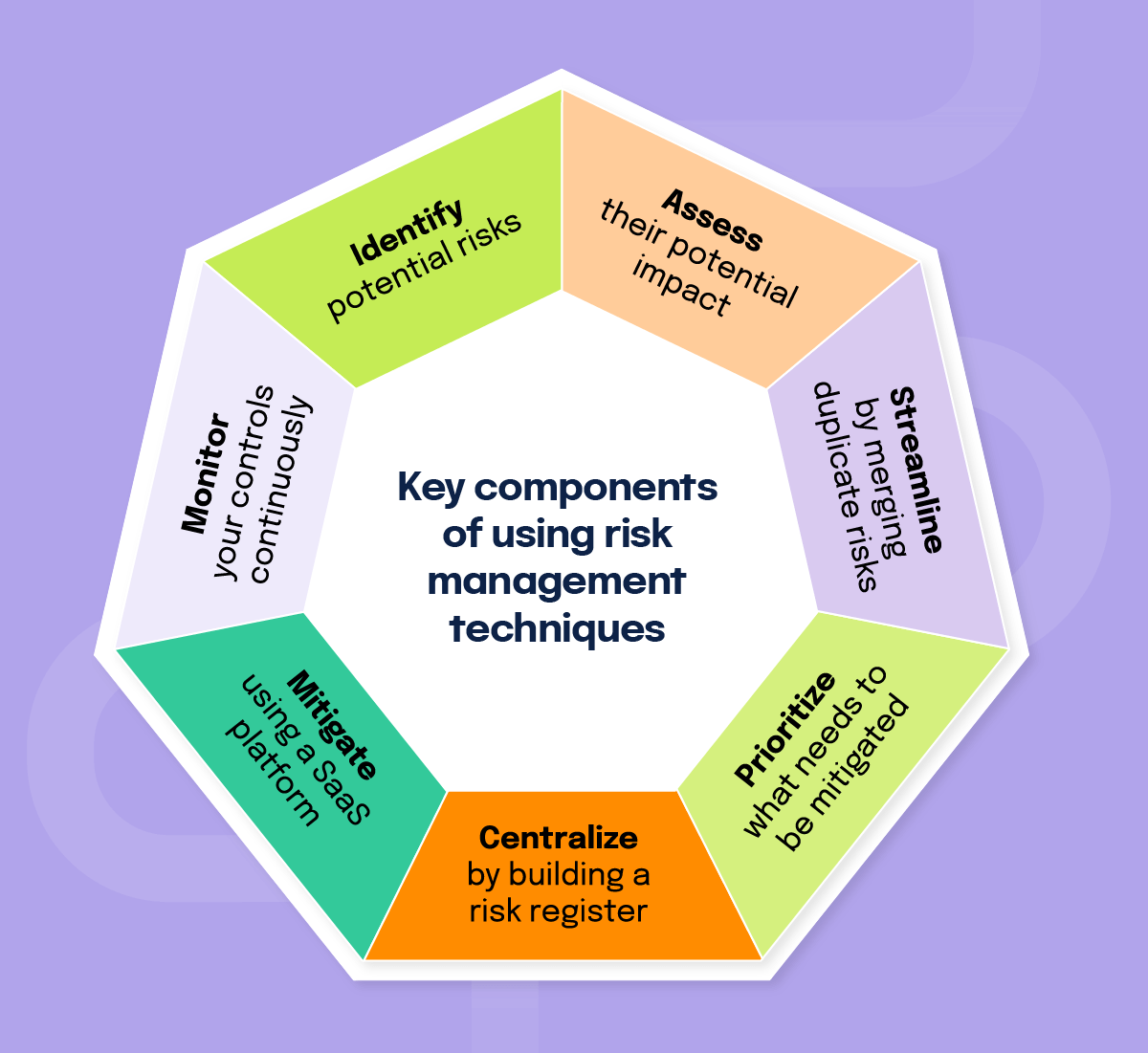
While insurance is designed to respond after losses occur, the most effective insurance and liability strategies begin long before a claim is filed. Proactive risk management reduces claim frequency, limits severity, and improves outcomes when disputes arise.
Insurers increasingly reward policyholders who demonstrate structured prevention efforts through favorable underwriting, lower premiums, and broader coverage terms. In this sense, insurance is not merely financial protection—it is a partnership focused on loss avoidance.
Understanding Your Risk Profile
Every individual or organization has a unique risk profile shaped by activities, assets, operations, and legal exposure. Identifying these risks allows policyholders to align coverage accurately rather than relying on generic policies.
Key risk categories include:
- Operational risks
- Professional decision-making risks
- Premises and physical hazards
- Contractual obligations
Regular risk assessments ensure coverage evolves alongside changing exposures.
Policy Review and Coverage Optimization
Many coverage gaps arise not from denial but from misunderstanding. Regular policy reviews—annually at minimum—are essential.
Effective reviews examine:
- Coverage limits versus actual exposure
- Exclusions affecting core operations
- Adequacy of umbrella or excess layers
- Consistency between contracts and insurance terms
Insurance professionals often reference regulatory frameworks influenced by bodies such as the National Association of Insurance Commissioners, which shape policy standards and consumer protections.
Contract Management and Liability Transfer
Contracts are powerful liability tools. Indemnification clauses, hold harmless agreements, and additional insured provisions can transfer or share risk when structured correctly.
However, contractual risk transfer must align with insurance coverage. Mismatched contracts can create uninsured exposure, leaving parties personally responsible for losses they assumed unknowingly.
Best practices include legal review of contracts and coordination with insurance advisors to ensure enforceability.
Documentation and Recordkeeping Discipline
Strong documentation supports both defense and resolution. Accurate records demonstrate compliance, reasonable care, and factual consistency—critical elements in liability disputes.
Essential documentation includes:
- Incident reports
- Maintenance logs
- Training records
- Communications with third parties
In claims and litigation, well-organized documentation often determines credibility and leverage.
Claims Readiness: Preparing Before an Incident
Organizations that prepare for claims respond faster and more effectively. A claims readiness plan outlines roles, reporting procedures, and communication protocols.
Preparation minimizes errors such as:
- Late notice
- Inconsistent statements
- Lost evidence
Many insurers offer risk management resources and training programs through educational organizations like the Insurance Information Institute, helping policyholders build internal expertise.
Working Effectively With Claims Adjusters
Claims adjusters are not adversaries—they are evaluators bound by policy language and legal standards. Productive relationships improve outcomes.
Effective engagement includes:
- Timely responses
- Accurate information
- Professional communication
- Respect for investigative processes
Transparency builds trust and reduces friction throughout the claim lifecycle.
Legal Counsel and Strategic Alignment
When liability exposure is significant, early involvement of experienced legal counsel is essential. Defense attorneys guide strategy, preserve defenses, and manage litigation risk.
Insureds should understand that while insurers appoint counsel under the duty to defend, collaboration remains vital. Alignment between insured, counsel, and insurer improves settlement positioning and trial readiness.
Avoiding Bad Faith and Coverage Disputes
While insurers face bad faith exposure, insureds can also create disputes through non-compliance. Common pitfalls include:
- Misrepresentation during underwriting
- Failure to cooperate in investigations
- Unauthorized settlements
Adhering to policy conditions protects coverage integrity and preserves legal rights.
Technology and the Future of Claims Resolution
Technology is reshaping insurance and liability processes. Data analytics, AI-assisted investigations, and digital claims platforms improve speed and accuracy.
Emerging trends include:
- Predictive loss modeling
- Virtual inspections
- Automated document review
These innovations reduce friction while maintaining regulatory compliance and fairness.
Insurance as a Long-Term Strategy, Not a Transaction
Insurance should be viewed as an evolving strategy rather than a static purchase. Coverage decisions influence financial resilience, legal posture, and operational continuity.
Organizations that integrate insurance into broader governance and risk frameworks achieve:
- Faster claim resolution
- Lower total cost of risk
- Improved insurer relationships
This strategic mindset transforms insurance from reactive expense to proactive asset.
The Complete Journey: Coverage to Resolution
From underwriting and policy issuance to investigation, litigation, and closure, insurance and liability processes form a continuous lifecycle. Each phase builds upon the last, reinforcing the importance of diligence at every step.
Understanding this journey empowers policyholders to:
- Make informed coverage decisions
- Respond effectively to incidents
- Navigate disputes with confidence
Insurance works best when knowledge, preparation, and partnership align.
Closing Perspective
Liability is an inevitable byproduct of modern life and commerce. Insurance does not eliminate risk—but it provides a structured, legally grounded pathway to manage it. Those who understand the full process—from coverage design to claim resolution—are better equipped to protect assets, reputations, and long-term stability.